What 100g of Protein Actually Looks Like (Veg and Non-Veg)
Numbers on a screen are abstract. Volume on a plate is not. Two full days of eating counted out, so you know what a hundred grams feels like before you try to eat two hundred.
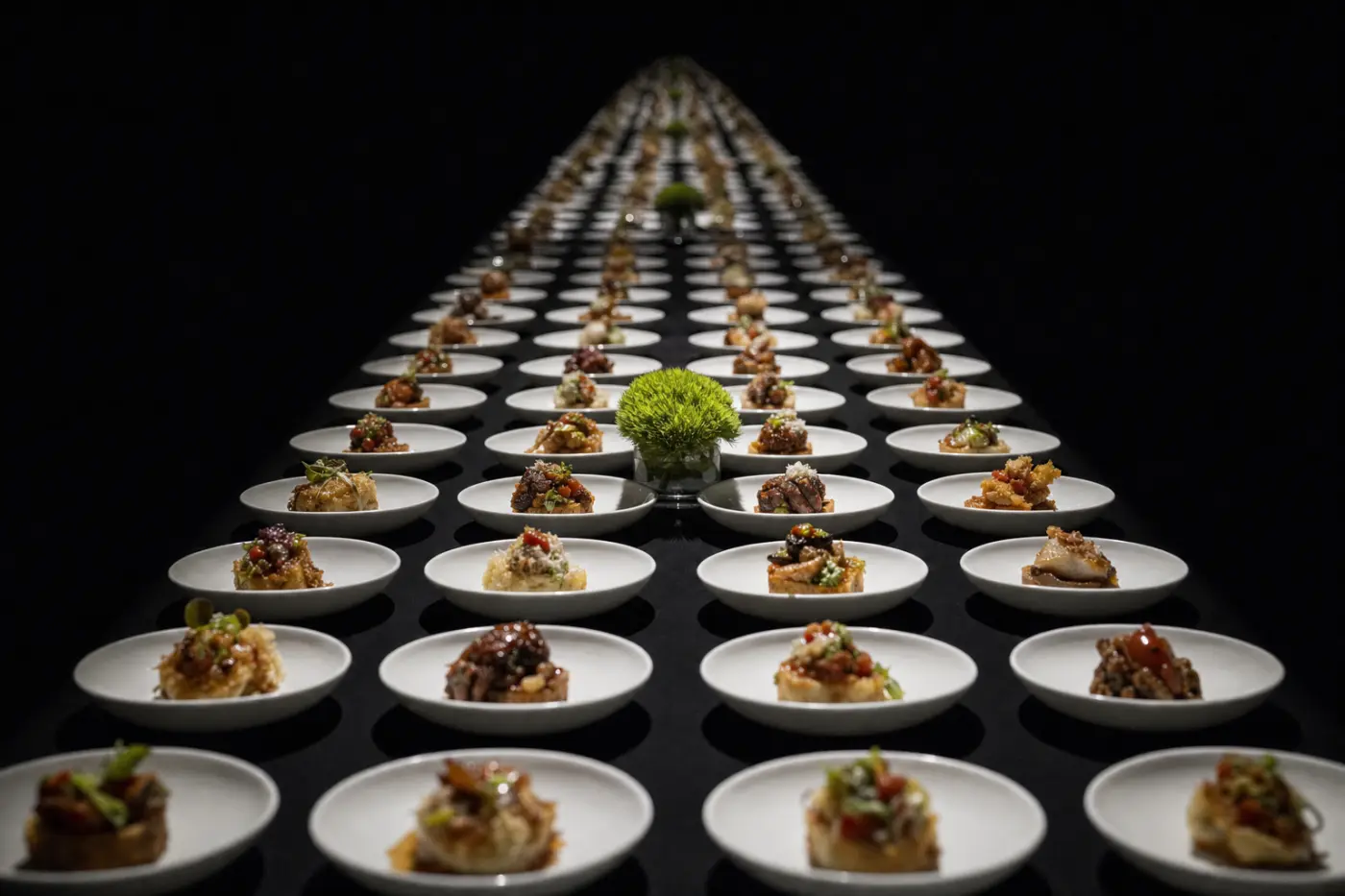
- 100g of protein is four deliberate servings, not a heroic amount of food.
- Non-vegetarian: it fits in about 900 calories. Vegetarian: closer to 1,300.
- Soya chunks are the cheapest protein available in India by a wide margin.
- The gap between people who hit their protein and people who do not is usually one serving, not one meal.
- If you are eating two meals a day, no realistic portion size will get you there.
"Eat 1.6 grams per kilo" is useful advice and completely abstract. Nobody eats grams per kilo. People eat plates of food, and the gap between the number and the plate is where most protein targets quietly die.
So here is 100 grams, counted out, twice.
The non-vegetarian day
| Meal | Food | Protein |
|---|---|---|
| Breakfast | 3 eggs + 1 cup curd | 26 g |
| Lunch | 150 g chicken breast | 46 g |
| Snack | 1 scoop whey | 24 g |
| Dinner | 150 g fish | 32 g |
| Total | ~128 g |
That is around 900 calories of food delivering 128g. Trim the fish to 100g and skip the curd and you land almost exactly on 100.
The point worth noticing: this is not a lot of food. It is four ordinary servings. The obstacle is never volume — it is remembering to include a protein source at every single meal instead of two of them.
The vegetarian day
| Meal | Food | Protein |
|---|---|---|
| Breakfast | 3 besan chillas (60 g besan) + 1 cup curd | 20 g |
| Lunch | 100 g paneer + 2 katori dal | 32 g |
| Snack | 1 scoop whey | 24 g |
| Dinner | 50 g dry soya chunks in curry + 1 cup curd | 33 g |
| Total | ~109 g |
Around 1,300 calories — roughly 400 more than the non-vegetarian version for slightly less protein. That is the honest cost of a vegetarian protein target, and it is entirely manageable; it just means less room elsewhere.
Notice what is doing the work: paneer, soya, curd and whey. Notice what is not: dal contributes about 14g of the 109, and roti contributes nothing worth counting.
Ranked by what matters
Most protein per calorie — the list to know if you are cutting:
- Whey isolate — ~24g per 120 kcal
- Chicken breast — 31g per 165 kcal
- Fish (white) — 22g per 100 kcal
- Egg whites — 11g per 52 kcal
- Soya chunks — 26g per 170 kcal
- Tofu — 8g per 76 kcal
- Curd (low fat) — 10g per 90 kcal
Cheapest per gram of protein — the list that matters more for most people:
- Soya chunks — nothing else is close. 200g dry is over 100g of protein for the price of a coffee.
- Eggs
- Dal, chana and rajma
- Milk and curd
- Whey (cheap per gram, expensive per purchase)
- Chicken
- Paneer and fish
Soya chunks deserve their position. They are the single most cost-effective way to fix a protein-short Indian diet, and they disappear into any gravy.
The two failure modes
Eating twice a day. If you eat two meals, each would need roughly 50g of protein to reach 100 — which means 250g of chicken or 250g of paneer at a sitting, twice. Almost nobody sustains that. Three or four eating occasions is not an optimisation, it is what makes the arithmetic possible at all.
Counting foods that are not protein sources. A plate of dal, roti, rice and sabzi feels protein-adequate and delivers about 15g. Two of those plus a snack is 35g, and people are genuinely surprised to find they are at a third of their target after eating what felt like plenty. There is more on this in the Indian macro guide.
Do the exercise once
The most useful thing here is not the tables. It is that you spend one day actually weighing and counting, so the numbers attach to real portions.
After a day or two of it, you will know by eye that your usual chicken portion is 120g not 200g, that a katori of dal is 6g not 20g, and that the shake you thought was optional is the reason you hit the target on the days you took it.
That calibration is the entire skill, and once you have it you can stop measuring. Photographing plates rather than searching a database gets you there faster — OnlyGains returns the protein number along with the calories — but a kitchen scale and one honest day works too.
Either way: 100g is four servings. If you are getting there in two, you are eating more than you think. If you are missing it, you are almost certainly missing a serving, not a meal.
Questions people ask
What does 100g of protein look like in food?
Roughly: 3 eggs, 150g of chicken breast, a cup of Greek yoghurt and a scoop of whey. Or vegetarian: 100g paneer, 50g dry soya chunks, a cup of curd, two katoris of dal and a scoop of whey. Four servings either way — it is a distribution problem more than a volume problem.
How many eggs is 100g of protein?
About 15 large eggs, which is roughly 1,100 calories and not a sensible way to do it. Eggs are an excellent protein source but not a protein-dense one relative to calories — three eggs is only 19g. Pair them with something denser rather than trying to get there on eggs alone.
Can vegetarians get 100g of protein easily?
Yes, but it has to be deliberate. Dal and roti will not get you there at any realistic portion size. It requires including the dense sources — paneer, curd, soya chunks, tofu and usually a protein supplement — at most meals rather than as occasional additions.
Is 100g of protein a day enough to build muscle?
For someone under about 62kg, yes, since that clears 1.6 g/kg. For an 80kg athlete it is roughly 1.25 g/kg, which is below the range where the research says muscle-building benefit plateaus. Use bodyweight to set the target rather than a round number.
What is the cheapest source of 100g of protein?
Soya chunks, by a wide margin — around 200g dry delivers over 100g of protein for a very small cost. After that, eggs, dal and lentils, milk and curd, then whey. Paneer and meat are the most expensive per gram of protein in most Indian markets.
Keep reading
Carb Cycling for Hybrid Athletes: Match Your Food to Your Training Day
Eating the same thing every day when your training varies wildly is the most common nutrition mistake in hybrid training. A simple three-tier system that moves carbohydrate to the days that need it.
How Much Protein Do You Actually Need? The Number Nobody Agrees On
The official guideline, the bodybuilding number and the research consensus are three different figures. Here is where each comes from, which one applies to you, and why the answer changes when you start running.
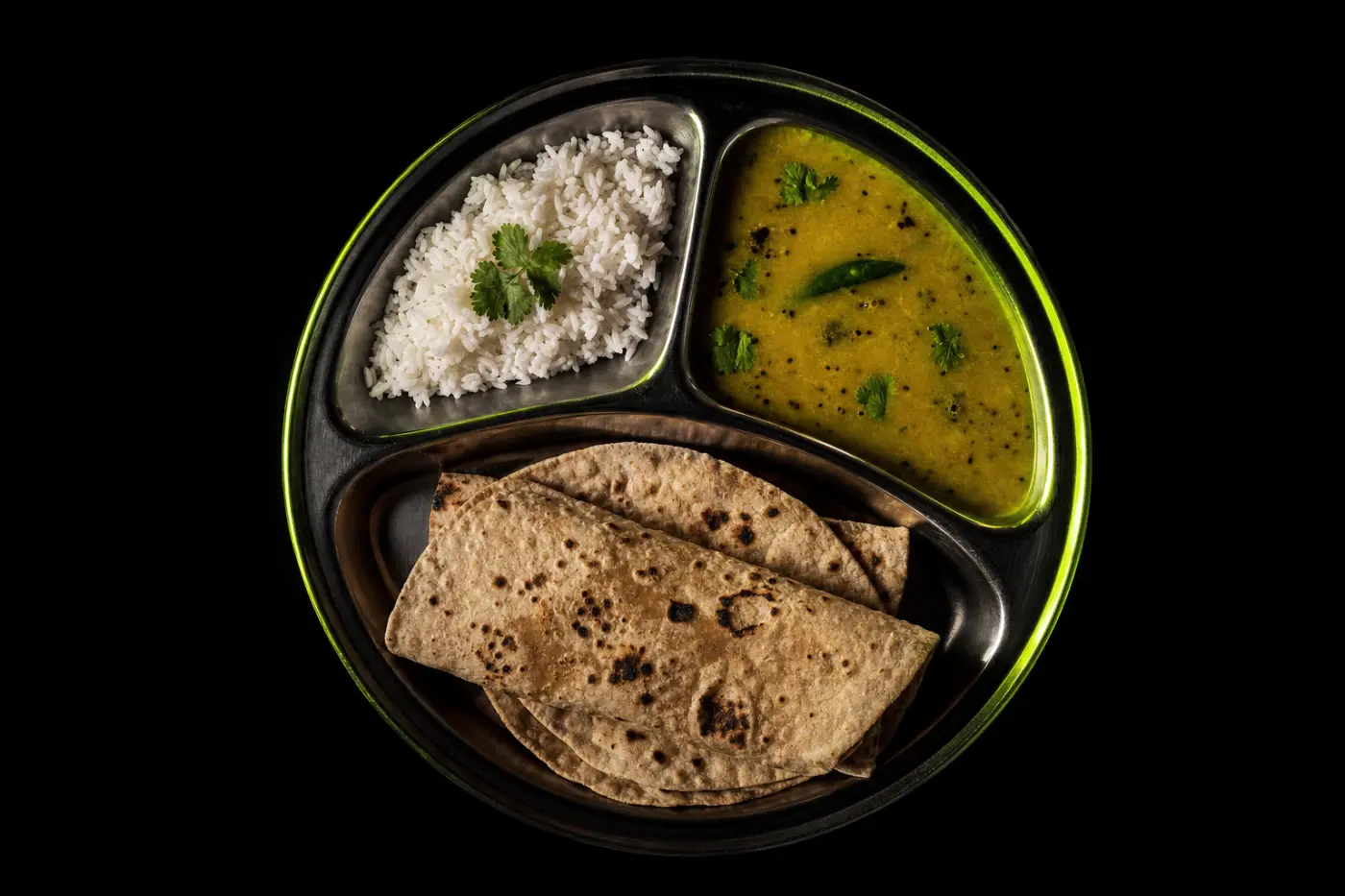
The Indian Athlete's Macro Guide: Dal, Roti, Rice and Real Numbers
Most macro guidance assumes chicken breast and oats. This one is built on the food actually on your table — with per-serving numbers for the staples and three worked days at different calorie targets.