The Norwegian Method: How Double Threshold Training Took Over Endurance Sport
Two threshold sessions in one day, lactate meters at the track, and a training philosophy built on doing slightly less than you could. Where the method came from, what it actually prescribes, and the part that does not transfer to amateurs.
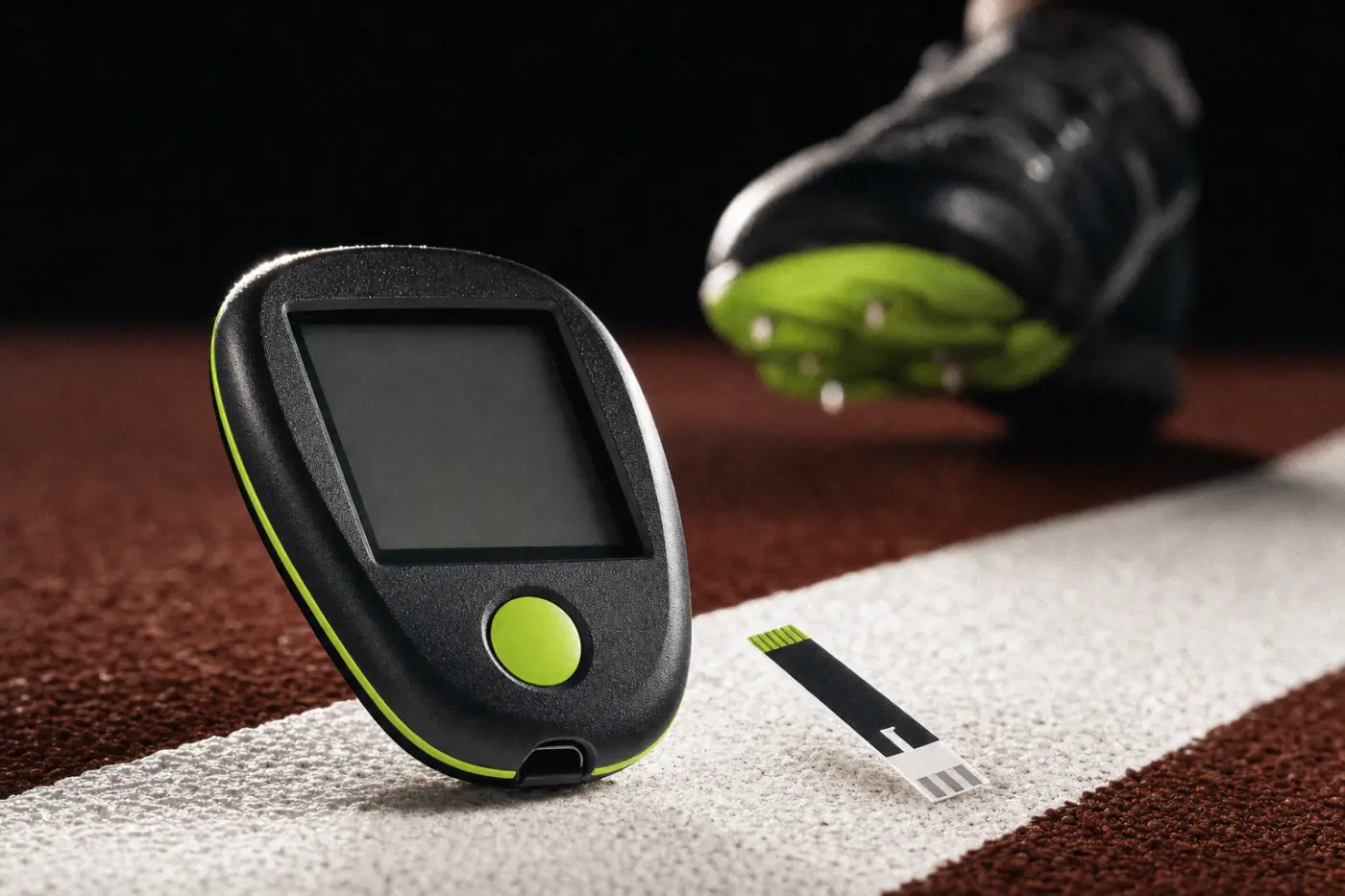
- The core idea is accumulating a large volume of work at controlled intensity, not training harder.
- Two threshold sessions in one day, typically twice a week, with easy running around them.
- Lactate is measured mid-session to enforce a ceiling, not to chase a number.
- The discipline is in the restraint — every session is deliberately kept below what the athlete could do.
- The volume is what most amateurs cannot copy. The restraint is what they should.
For most of the last two decades, the loudest idea in endurance training was that the middle is a trap. Run easy or run hard, the argument went, and stay out of the moderate zone that produces fatigue without adaptation.
Then a group of Norwegian athletes started winning a great deal while spending an unusual amount of time in exactly that middle — and doing it twice a day.
Where it came from
The approach is usually associated with Norwegian distance running and with the Ingebrigtsen brothers in particular, but its development is broader than any one family. The distance runner and physician Marius Bakken is widely credited with assembling and documenting the core structure in the early 2000s, drawing on the lactate-guided training culture already present in Scandinavian endurance sport.
It later spread visibly into triathlon, where Norwegian athletes and their support staff applied similar principles with an even heavier emphasis on physiological measurement.
What is notable is that the method was not a laboratory invention imposed on athletes. It emerged from athletes and coaches measuring what they were actually doing, discovering that their best blocks shared a pattern, and then formalising it.
The actual structure
Stripped to its essentials:
- A large aerobic base. The great majority of weekly volume is easy running. This part is not novel and is not optional.
- Two threshold days a week, commonly Tuesday and Thursday.
- On those days, two separate threshold sessions — one in the morning, one in the evening.
- Intensity controlled by lactate measurement, taken during the session.
- Everything else easy, genuinely.
The sessions themselves are typically intervals rather than continuous efforts — repetitions of a few minutes with short recoveries, accumulating a substantial total time at controlled intensity.
Why split the day
This is the part worth understanding, because it explains the whole method.
Threshold work is limited by accumulated fatigue within the session. Do one very long threshold session and the later portion degrades: the pace falls, the effort rises, and the last third is no longer the stimulus you designed.
Split the same work into two sessions separated by several hours and both halves happen at the intended quality. You accumulate more total time at threshold, at a genuinely controlled intensity, than one session could deliver.
The insight is not that two sessions are harder. It is that two sessions let you do more of the right thing.
The lactate meter is a brake
The image most associated with this method is an athlete having a fingertip pricked between intervals at the side of a track. It is easy to read that as extreme precision in pursuit of a perfect number.
It is closer to the opposite. The measurement exists to stop the athlete going too hard.
Threshold work performed slightly too fast becomes a different session — one with a much higher recovery cost that compromises the next day. And perceived effort is an unreliable guide here, because the intensity in question feels comfortable early and only reveals itself later.
So lactate is sampled during the session, and if it drifts above the intended band, the athlete slows down. The number is a ceiling. Sessions are routinely finished with the athlete feeling they could have done more, which is the design working.
What actually made it work
Three things, none of which are the lactate meter.
1. Enormous easy volume. All of this sits on a base of high-volume easy running. The threshold sessions are the visible part; the easy hours are the foundation that makes them absorbable.
2. Consistency over intensity. The method is built to be repeatable week after week without breaking the athlete. No session is a heroic effort, which is precisely why every session can happen.
3. Restraint as a discipline. The hardest instruction in the whole system is go slower than you could. That is a cultural achievement more than a physiological one, and it is the reason many attempts to copy the method fail.
What transfers to you, and what does not
Does not transfer: the volume. Two threshold sessions in one day is a solution to a problem you probably do not have. It makes sense when a single session cannot hold enough quality work, which requires you to already be running a great deal. At four to six hours a week, one controlled threshold session is enough, and splitting it achieves nothing except complicating your Tuesday.
Does not transfer, mostly: the measurement. Lactate testing is genuinely informative and genuinely expensive in strips, time and hassle. Its function — enforcing a ceiling — can be approximated with a pace or heart rate cap you refuse to exceed, and with the honest test of whether you could have comfortably continued.
Does transfer: the restraint. This is the transferable core, and it is free.
Most amateur threshold sessions are run slightly too hard. They feel more productive that way, and they cost the next two days. Running your tempo at the pace you should rather than the pace you can is the single behavioural change from this method that will improve most people's training.
Does transfer: the priority on easy volume. No amount of clever session design compensates for a small aerobic base or for easy runs that have crept into moderate. This is where both this method and the polarised model agree completely, and it matters more than choosing between them — the fuller comparison is in polarized vs. threshold training.
A workable version
For a hybrid athlete with a few hours of running a week:
- One threshold session weekly. 4 × 8 minutes, or 5 × 6 minutes, with short recoveries.
- Set a pace ceiling in advance and refuse to exceed it, even when it feels easy in rep two. Especially then.
- Finish able to do another rep. If you could not, it was too hard.
- Everything else genuinely easy.
That is not the Norwegian method. It is the part of it that applies to someone with a job, and it is the part that was doing most of the work anyway.
The lesson underneath
What makes this story interesting is that a group of athletes got dramatically faster by finding a way to train more conservatively, more often.
That is an unpopular conclusion in a culture that measures sessions by how destroyed you feel afterwards. But every serious training system eventually arrives somewhere near it: the athletes who improve are rarely the ones who train hardest on any given day. They are the ones who arrange things so that they can keep training well next week, and the week after that.
The lactate meter was never the point. It was just an unusually literal way of telling an athlete to slow down.
Questions people ask
What is the Norwegian method of training?
An endurance training approach built on accumulating large volumes of work at or just below lactate threshold, with intensity tightly controlled rather than maximised. Its most distinctive feature is doing two threshold sessions in a single day — morning and evening — typically twice a week, with easy running filling the rest.
What is double threshold training?
Splitting the day's threshold work into two separate sessions instead of one. Two shorter sessions at controlled intensity accumulate more total time at threshold than one long session would, because neither session drives fatigue high enough to force the pace down. The point is total volume of quality work, not the difficulty of any single session.
How do you measure lactate for training?
With a handheld analyser and a fingertip blood sample taken between intervals, typically after every few repetitions. The purpose is to enforce a ceiling — commonly a band somewhere around 2.5 to 3.5 mmol/L for this kind of work — so the athlete slows down if the number drifts above it. It is used as a brake, not a target to chase.
Can amateurs do double threshold training?
The restraint transfers; the volume usually does not. Two sessions in one day only makes sense once your single sessions are long enough that fatigue is limiting them, which is generally not the case at four to six hours of running a week. Most amateurs get the same benefit from one properly controlled threshold session and genuinely easy running around it.
Is the Norwegian method better than polarized training?
They are less opposed than the debate suggests — both rest on a large base of easy running and both treat uncontrolled moderate-intensity work as the enemy. The Norwegian approach uses far more threshold volume, which is viable when total hours are high. At low volume, the difference between the two matters much less than whether your easy days are actually easy.
Keep reading
The Tabata Protocol Is Not What You Think It Is
The original study used trained cyclists at an intensity most gym classes never approach, for a purpose almost nobody remembers. What the research actually tested, what it found, and why the four-minute workout you have been sold is a different thing entirely.

The Interference Effect, Explained: How Much Cardio Actually Kills Your Gains
The gym-floor claim is that cardio eats muscle. The research says something far more specific. A plain-English breakdown of the mechanism, and the volume, modality and timing thresholds where running genuinely starts to cost you strength.
HYBRD Alternative: Why OnlyGains.ai is a Better Choice in 2026
Comparing HYBRD vs OnlyGains.ai for hybrid athlete training. See how OnlyGains delivers better AI coaching, nutrition integration, and programming for HYROX and functional fitness.