Train like you actually live.
Training, nutrition and recovery for people who lift and run in the same week. Written plainly, argued from evidence, and free of the usual noise.

How to Run a Sub-4 Hour Marathon: A Realistic 16-Week Plan
The pace, the weekly structure, the long run progression and the three sessions that matter. Written for someone who can already run 10 km and has a job, not for someone with unlimited time.
All articles

Alcohol and Training: What One Night Actually Costs
The effects on sleep architecture, protein synthesis, hydration and next-day performance, with the honest magnitudes attached. What a couple of drinks costs versus a heavy night, and how to time it around a training week.
Bulgarian Split Squats: Why They Hurt So Much and Why You Should Do Them
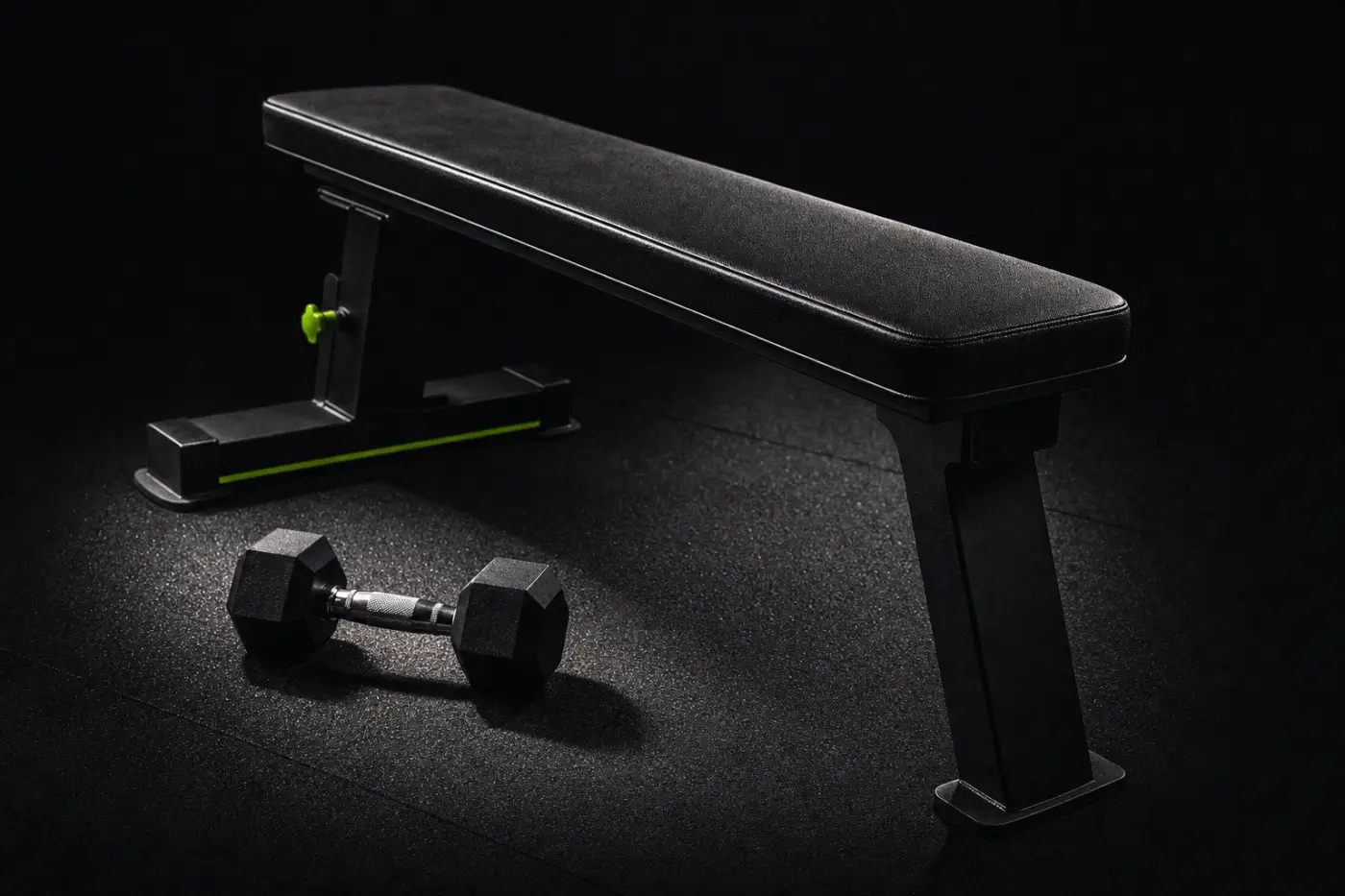
The most hated accessory in strength training is also one of the highest-return exercises for anyone who runs. What makes them disproportionately brutal, how to set up so you train the right thing, and how to program them without wrecking your week.

Caffeine for Athletes: Dose, Timing and the Tolerance Problem
One of the few supplements with genuinely strong evidence, and one most people take in a way that blunts it. Effective dosing by bodyweight, timing before a session, whether to cycle off, and what it costs your sleep.

Coming Back After a Long Layoff: A Six-Week Re-Entry Plan
After illness, injury, a new baby or simply eighteen months off, the mistake is always the same: training at the level you remember rather than the level you have. A staged plan, and the two markers that tell you to progress.
Core Training for Runners: What Actually Transfers
Most 'weak core' diagnoses are weak hips, and most core work is chosen for burn rather than function. What the trunk actually does during running, the four exercises worth keeping, and why endless crunches change nothing.

DNF: When Stopping Is the Right Call
The sport treats not finishing as a moral failure, which gets people hurt. How to tell a bad patch from a genuine reason to stop, the medical signs that end the argument, and how to think about it afterwards.

Electrolytes and Hydration: How Much Salt Do You Actually Lose?
Sweat rates vary five-fold between athletes and sodium concentration varies even more. How to measure your own instead of guessing, what the numbers mean for a hot-weather session, and why most electrolyte tabs are underdosed.

Fartlek: The Swedish Idea That Refuses to Die
Speed play was invented partly as a rebellion against the stopwatch, and it has outlived most of the systems that replaced it. Where it came from, why unstructured intensity still works, and four sessions worth running.

Foam Rollers, Massage Guns and What They Actually Do
They do not break up scar tissue, lengthen fascia, or flush lactic acid. What the evidence suggests is happening instead, why the effects are real but short-lived, and where these tools genuinely belong in a week.
Grip Strength: The Silent Limiter in Every Hybrid Race
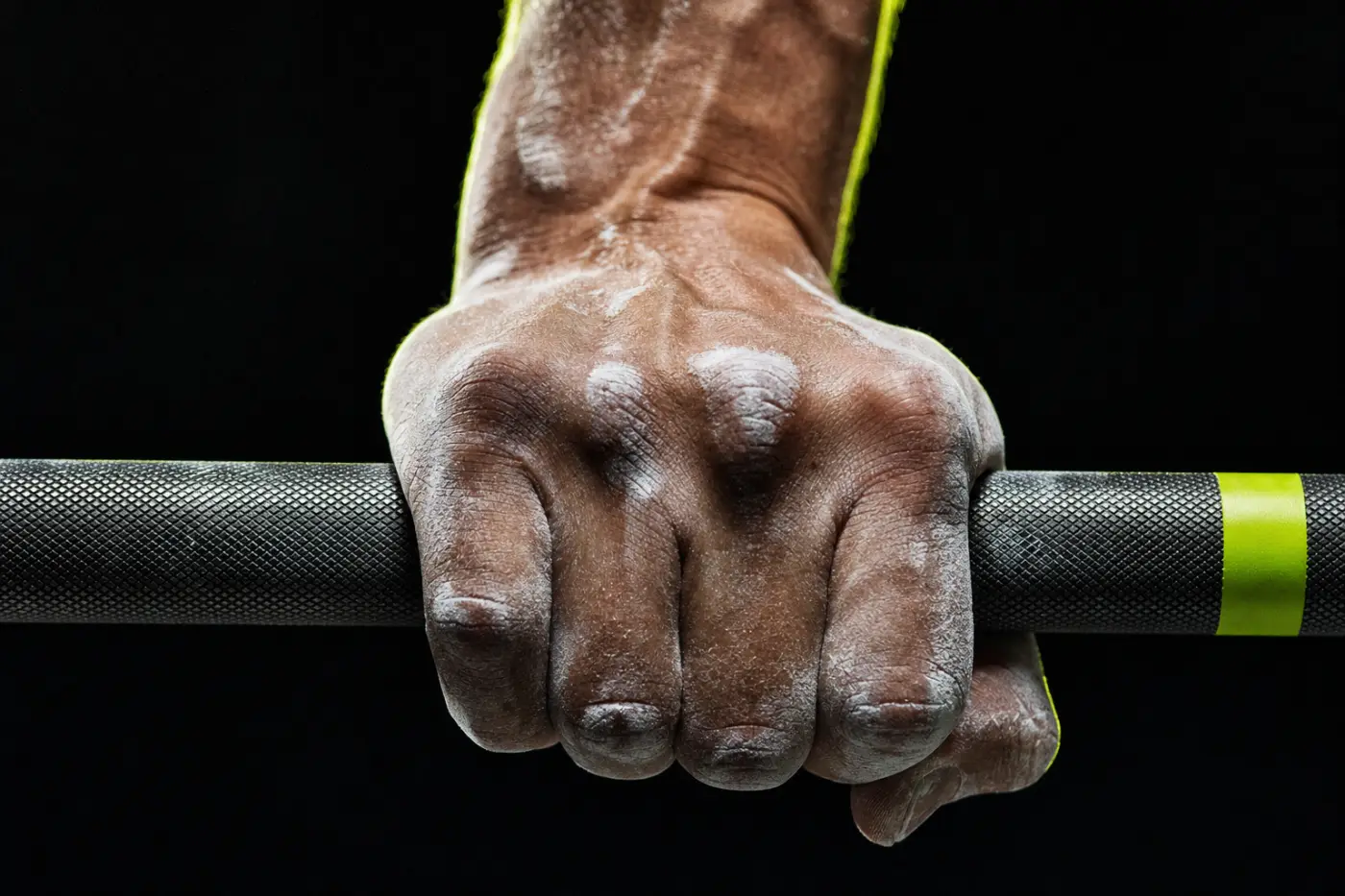
Your farmers carry does not end because your legs quit. Grip is the most trainable and most neglected quality in hybrid sport — and it correlates with a surprising amount beyond the gym.
Gut Training: How to Stop Your Stomach Ruining Long Races
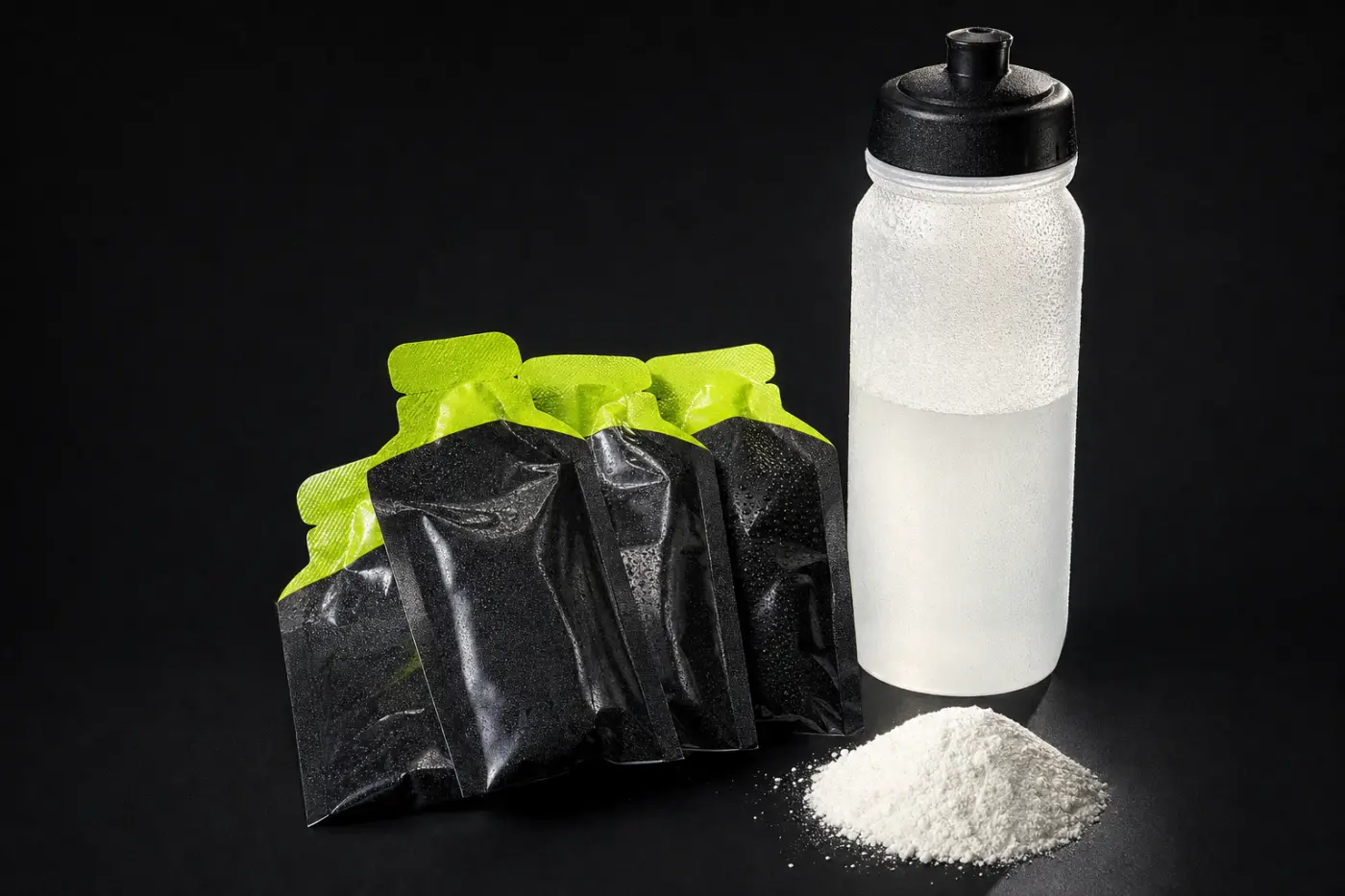
Your gut is trainable, and most people never train it. Why fuelling that works in a lab fails at kilometre thirty, how to build carbohydrate tolerance over eight weeks, and what to do when it goes wrong mid-race.

Heart Rate vs. Pace vs. Power: Which Should You Actually Run By?
Each metric lies in a different way. Heart rate lags and drifts, pace ignores terrain and heat, power is consistent but poorly validated in running. When to use each, and why effort still beats all three on some days.

Hill Training: The Cheapest Speed Work There Is
Hills build strength, running economy and top-end power at a lower injury cost than flat speed work. Four session formats, the gradient that suits each, and how to run downhill without paying for it the next week.

How Fast You Actually Lose Fitness: A Detraining Timeline
What goes first, what lasts, and how long two weeks off really costs you. A week-by-week account of detraining for strength, aerobic fitness and muscle, plus how quickly each comes back.

How Long Should Your Long Run Actually Be?
The long run is the most over-prescribed session in distance running. Why time on feet beats distance, what percentage of weekly volume it should be, and the point past which a longer run stops buying anything.
How the Ironman Started as an Argument About Who Was Fittest
In 1978 a group in Hawaii could not agree whether swimmers, cyclists or runners were the fitter athletes, so they combined three existing races and settled it. The origin of the modern endurance event, and what it says about hybrid sport.
How to Gain Weight Without Getting Slow
Adding muscle helps your lifting and costs you on the hills, and the exchange rate depends entirely on how fast you do it. Rates of gain that stay useful, how to keep running through a surplus, and when a bulk is the wrong idea.

Hybrid Training in Your 40s and 50s: What Changes and What Doesn't
Recovery slows, tendons get fussier, and almost nothing else about the training needs to change. What the evidence says declines with age, what is mostly disuse rather than ageing, and how to adjust volume without giving up intensity.

HYROX for Women: What Differs and What Doesn't
Different loads and rep counts, a different balance of limiting factors, and a lot of training advice written for someone else. Where the demands genuinely differ, where they do not, and what that means for how you train.

HYROX Gear: What's Worth Buying and What's a Waste of Money
Shoes matter enormously. Most of the rest does not. A category-by-category verdict on what actually changes your time, what changes your comfort, and what is simply expensive.

HYROX vs. CrossFit vs. Spartan: Which Race Suits Your Body and Schedule?
Three very different sports that get lumped together. What each actually tests, the training hours each demands, the injury profiles, and how to pick the one you will still be doing in three years.
Kettlebells for Hybrid Athletes: The Five Movements That Matter
Kettlebells are excellent for conditioning, carries and hinge power, and mediocre for maximal strength. Which five movements earn their place, what weights to buy, and where kettlebell work fits alongside a barbell.

Lydiard and the 100-Mile Week: What Survived Sixty Years of Scrutiny
Aerobic base building was radical when Lydiard proposed it and is orthodoxy now. What his system actually prescribed, which parts the evidence has supported, and which parts get quoted far past what he meant.

Mobility vs. Flexibility, and Which One You Actually Need
They are not the same thing, and most people chasing one need the other. What the distinction means practically, why strength through range beats passive stretching for athletes, and how little of it you actually require.

Naps, Sleep Banking and the Athlete's Sleep Debt
You cannot fully repay sleep debt at the weekend, but you can do more than people assume. Nap lengths and timing, whether banking sleep before a hard block helps, and the order to fix things when your nights are genuinely short.

Nasal Breathing and Breath Work: Signal vs. Noise
Breath work has become a large claim with a small evidence base. What nasal breathing plausibly does, where the performance claims outrun the data, and the one genuinely useful application for pacing easy runs.

Periodisation for People With Jobs: A Realistic 16-Week Block
Textbook periodisation assumes you control your calendar. You do not. A 16-week structure built for six-hour training weeks, unpredictable travel, and the fact that some weeks you will simply not train.

Planning a HYROX Season: How Many Races a Year?
Racing too often means never building, and racing once a year means never learning to execute. How to structure a year around two or three genuine attempts, what to treat as a training race, and when to take an off-season.

Progressive Overload When You Can Only Train 3 Days a Week
Adding weight to the bar every week stops working within months. Six other ways to progress, ranked by how long each keeps delivering, built specifically for people whose training frequency is fixed and low.

Pull-Up Progression: From Zero to Ten
A staged plan that works whether you are at zero, at three, or stuck at six. The progressions that actually build the movement, the ones that waste months, and how often to train it.
Race Nerves: What to Do With Them
Pre-race arousal is a performance asset that has been mislabelled as a problem. What the physiology is doing, why trying to feel calm often backfires, and a practical routine for the ninety minutes before the start.

Rucking for Hybrid Athletes: The Most Underrated Session You Are Not Doing
Loaded walking builds aerobic base, leg durability and carrying strength at a fraction of running's impact cost. How much weight, how far, how often, and where it fits for someone already training five times a week.

Running Economy: The Quality Nobody Trains Directly
Two runners with identical VO2 max can be minutes apart over a half marathon. What running economy is, the four things that reliably improve it, and why heavy lifting shows up on that list ahead of form drills.
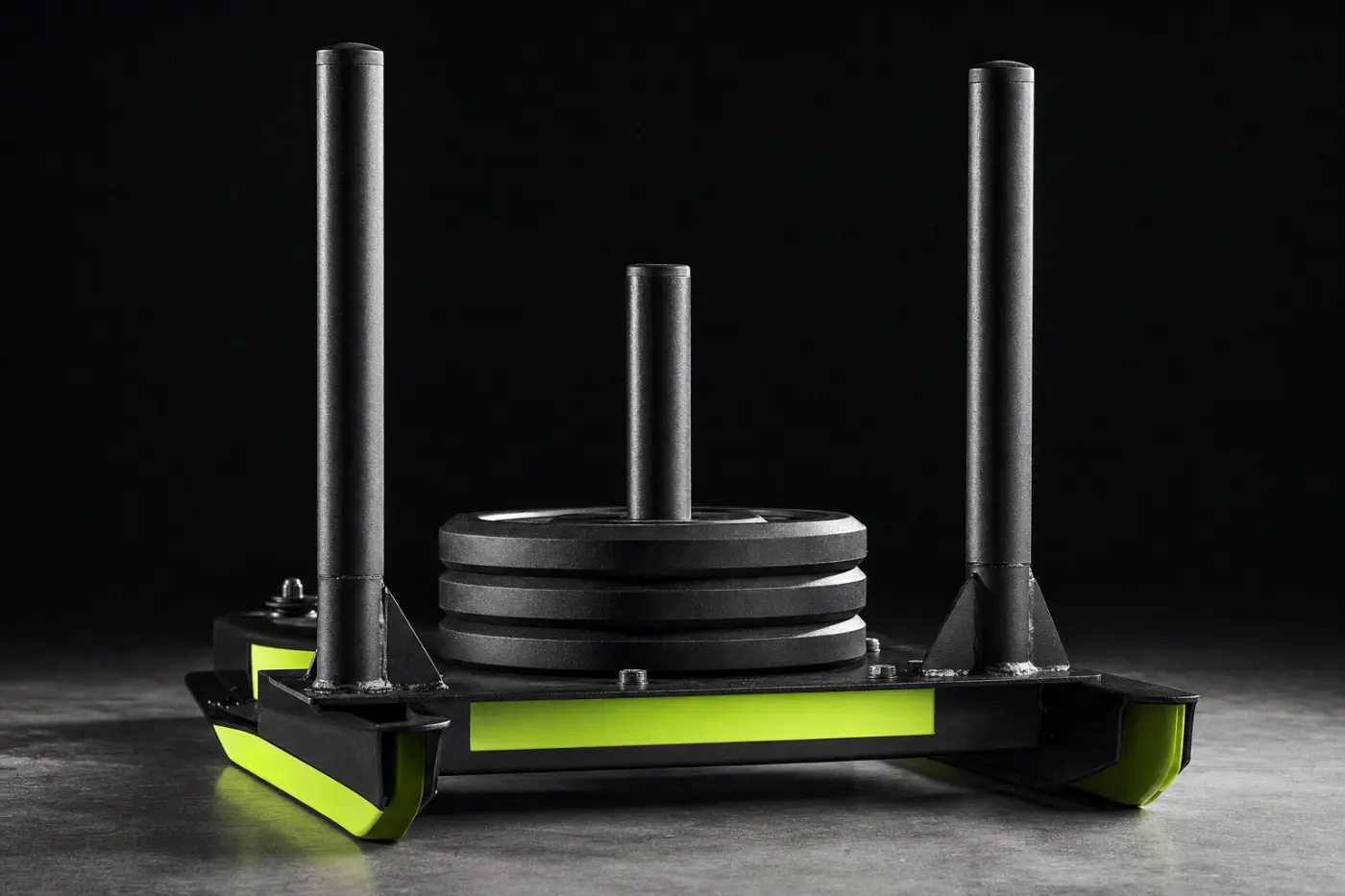
Sled Push and Pull: Technique That Saves Minutes, Not Seconds
The two stations with the widest spread of times between athletes of similar fitness, because both are heavily technical. Body position, step length, rope mechanics, and why floor friction varies so much between venues.

Tendons Adapt Slower Than Muscle, and That's Why You Got Injured
Muscle responds to training in weeks; tendon and bone take months. The mismatch explains most overuse injuries, and it explains why the fittest-feeling block is often the one that breaks you. How to load tendons deliberately.

Iron, Vitamin D and B12: The Bloodwork Athletes Should Actually Check
Persistent fatigue gets blamed on training far more often than it should. The handful of markers genuinely worth testing for endurance athletes, why ferritin matters more than haemoglobin, and when to stop guessing and get bloods.
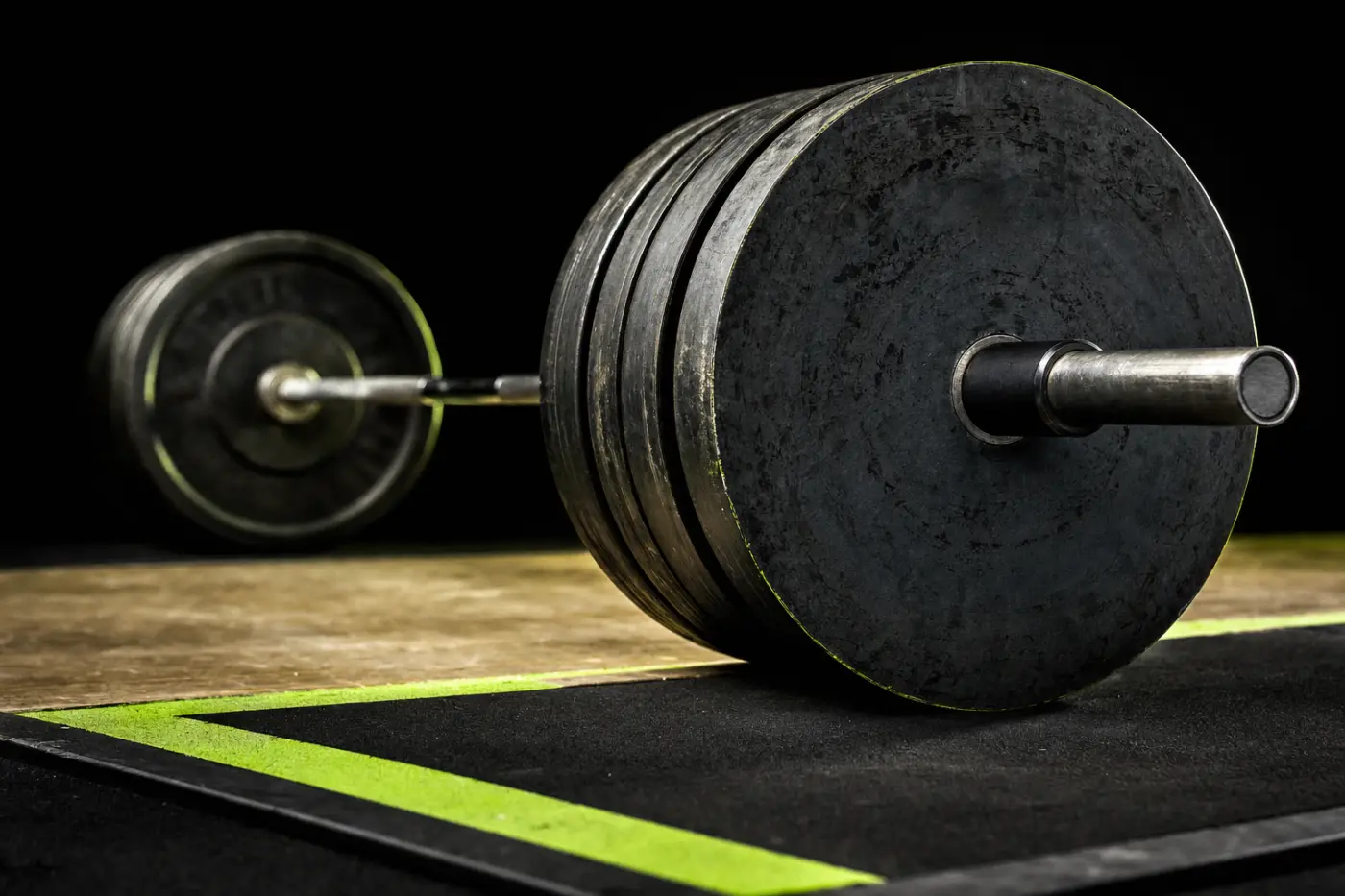
The Bulgarian Method: Maximal Lifting Every Day, and Why Almost Nobody Should Copy It
A national weightlifting programme built on working to a daily maximum, repeatedly, with extraordinary results and an extraordinary attrition rate. What the system actually was, why it worked for the people who survived it, and what a sane version looks like.

The Comparison Problem: Why Strava Can Make You Slower
Public training logs turn easy days into moderate days and rest days into guilt. How social visibility distorts training decisions, what selection bias does to your sense of normal, and how to keep the useful parts.
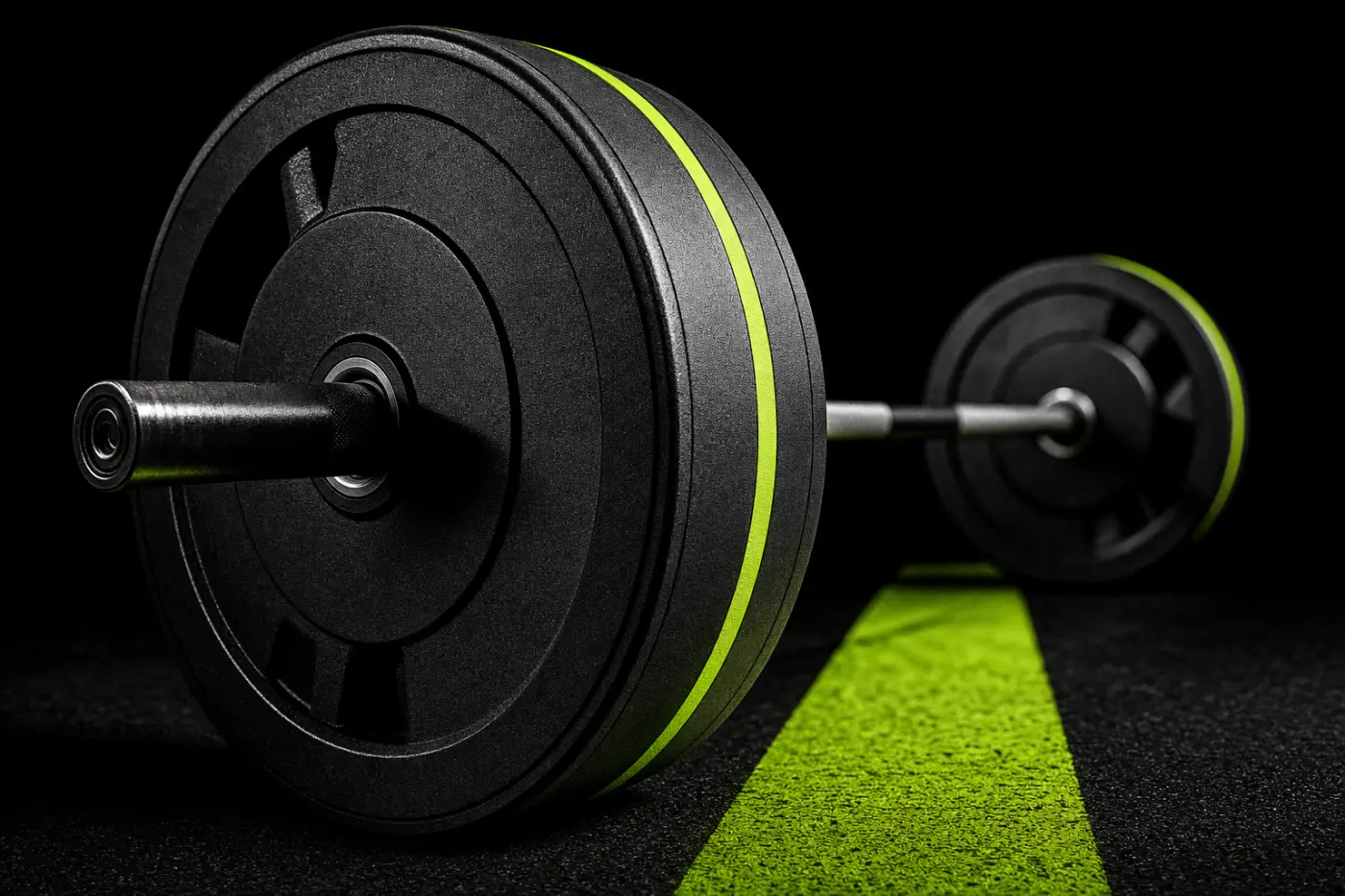
The Deadlift for Endurance Athletes: How Heavy, How Often
The most useful lift for a runner and the one most likely to wreck a training week if programmed badly. Loading, frequency, which variation to pick, and where to put it so it does not eat your long run.

The Four Supplements With Actual Evidence (And the Twenty Without)
A short list of things that hold up, an honest account of what each does and how much it is worth, and a much longer list of things sold with confidence and very little data behind them.

The Norwegian Method: How Double Threshold Training Took Over Endurance Sport
Two threshold sessions in one day, lactate meters at the track, and a training philosophy built on doing slightly less than you could. Where the method came from, what it actually prescribes, and the part that does not transfer to amateurs.

The Scandinavian Experiments That Invented Carb Loading
Muscle biopsies, cycling to exhaustion, and a depletion protocol so unpleasant that almost nobody uses the original version. Where carb loading came from, how the protocol was softened, and what remains true.
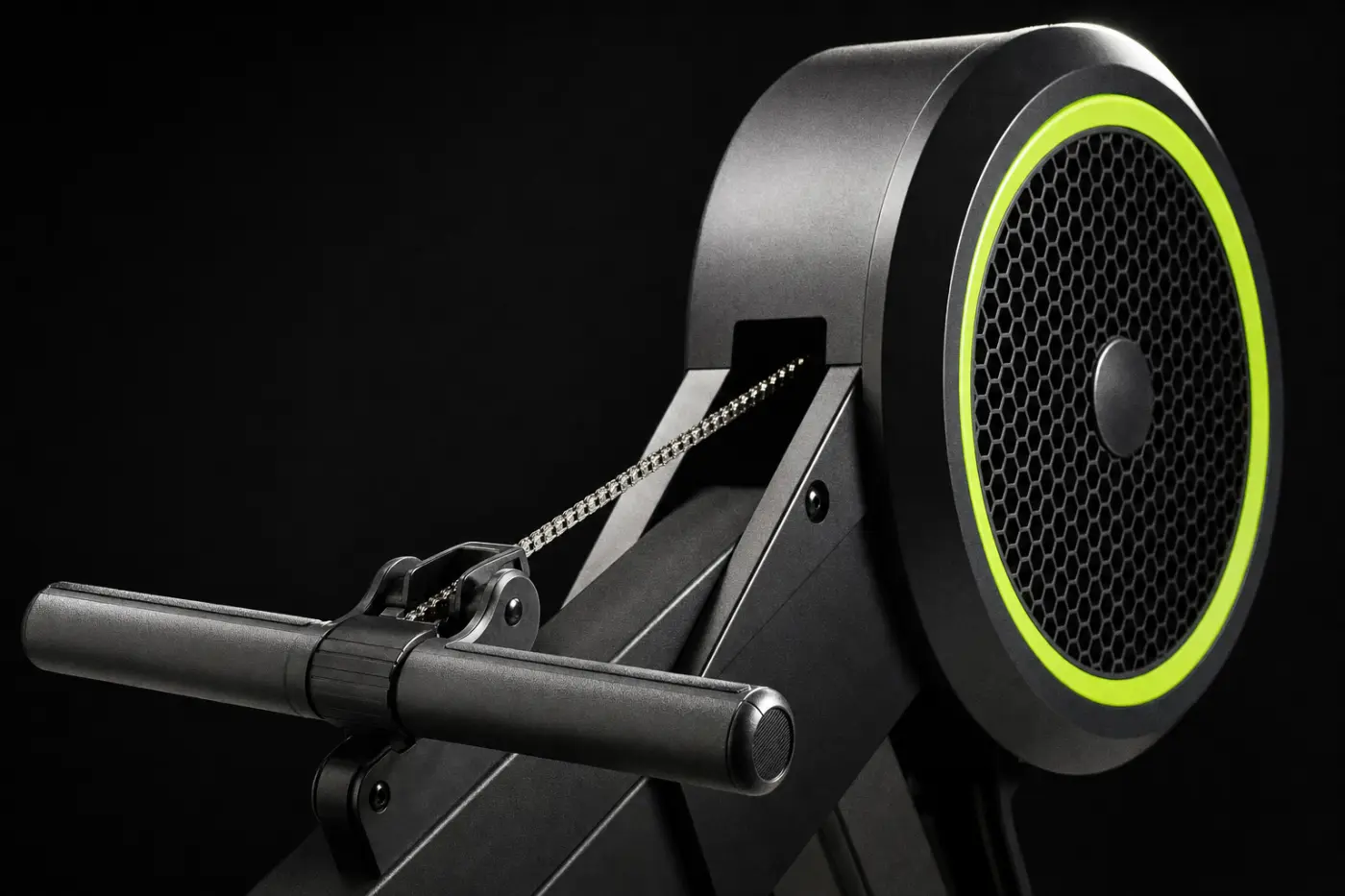
The SkiErg and Rower: A Technique Guide for People Who Lift
Strong athletes are routinely slow on both machines because they muscle them. The sequencing that makes each efficient, damper and drag factor settings that actually matter, and the pacing that keeps your legs for the next run.
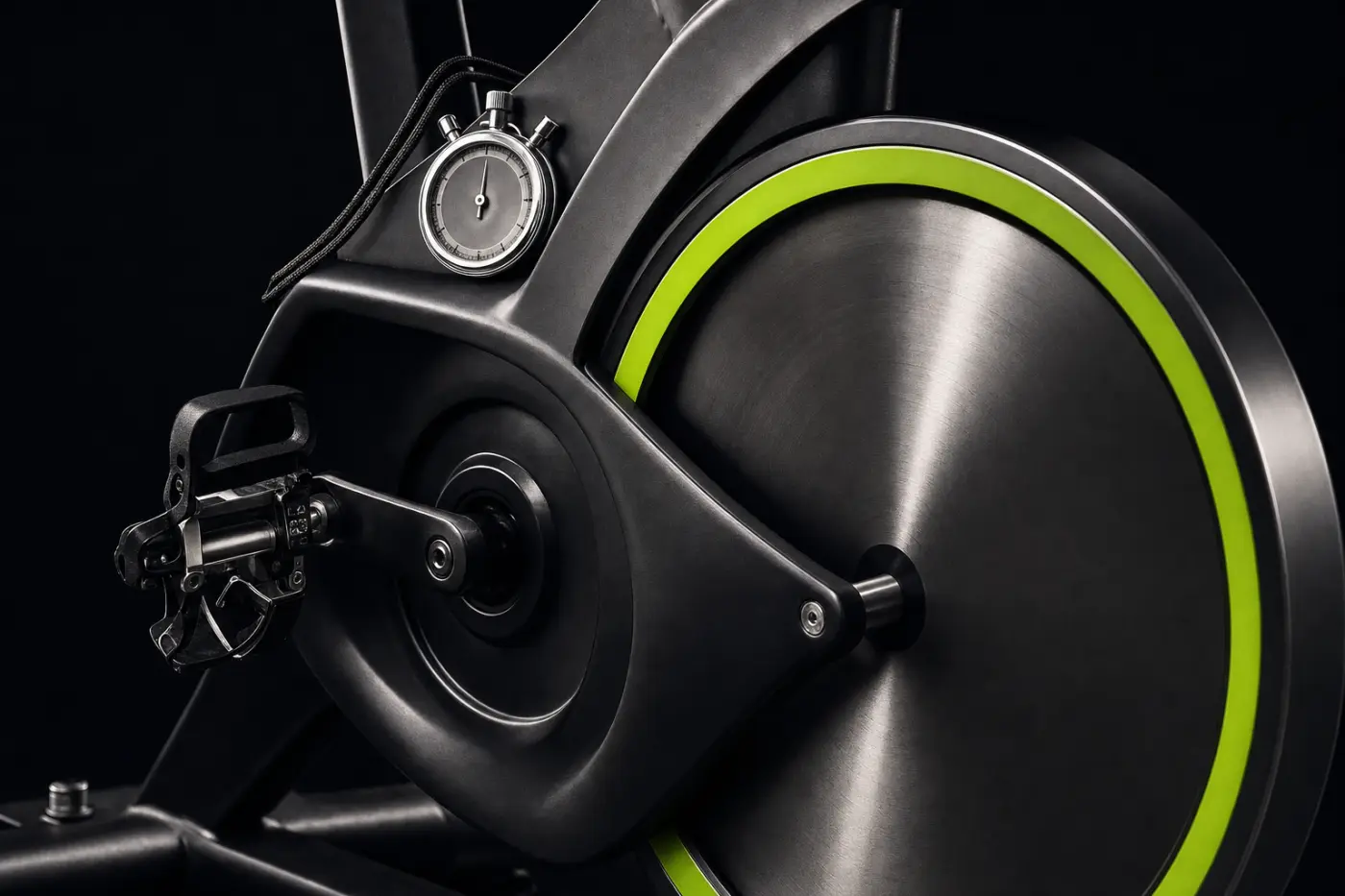
The Tabata Protocol Is Not What You Think It Is
The original study used trained cyclists at an intensity most gym classes never approach, for a purpose almost nobody remembers. What the research actually tested, what it found, and why the four-minute workout you have been sold is a different thing entirely.

The Vegetarian Hybrid Athlete: Hitting Protein Without Meat
Higher targets, protein quality and leucine thresholds, and the Indian vegetarian staples that carry more than people assume. A practical day of eating at 2 g/kg without relying on three shakes.

The Wall: What Bonking Actually Is and How to Avoid It
Glycogen depletion, the physiology of the thirty-kilometre collapse, and why it feels psychological when it is metabolic. How to fuel so it does not happen, and what to do in the ten minutes after it starts.

Training Through the Menstrual Cycle: What the Evidence Actually Supports
Cycle-based training is heavily marketed and thinly evidenced. What the research currently shows about performance across phases, where individual variation swamps the averages, and a practical approach that does not require a protocol.
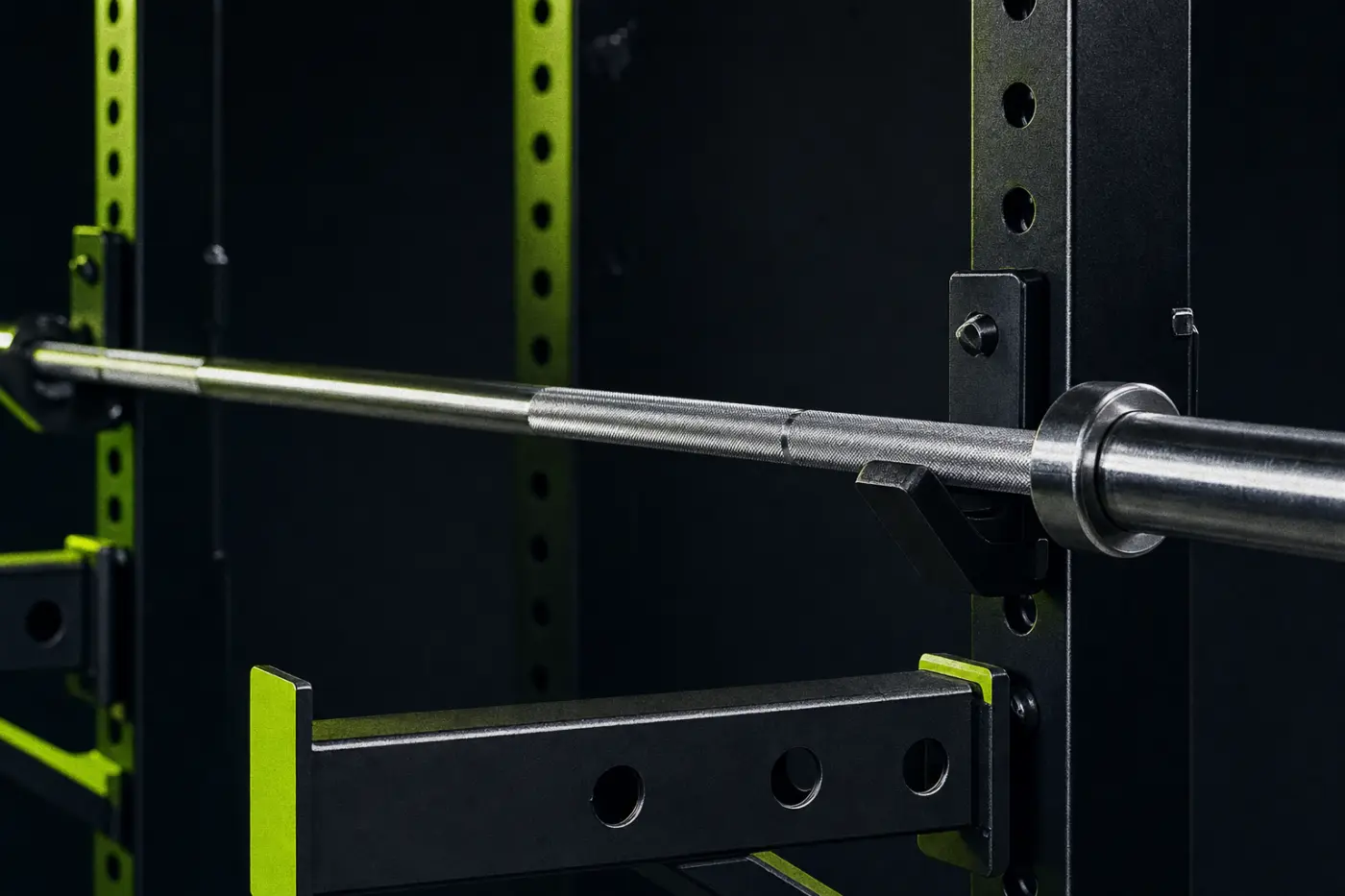
Training to Failure: When It Helps and When It Just Costs You
Failure training produces disproportionate fatigue for a modest hypertrophy return, and for a hybrid athlete that trade is usually bad. Where it earns its place, where reps in reserve is the better tool, and how to judge proximity to failure honestly.
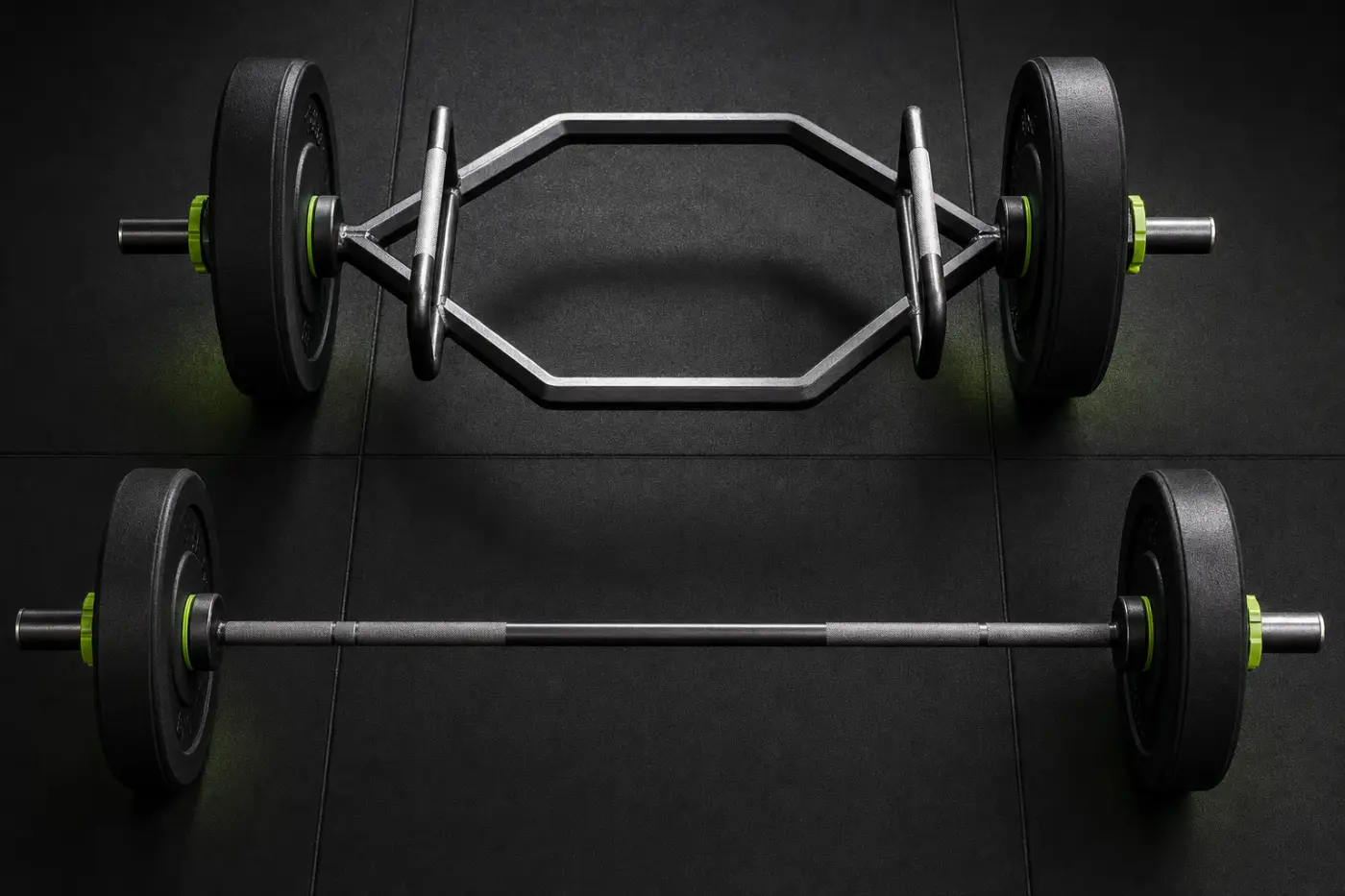
Trap Bar vs. Barbell vs. Dumbbells: What to Load and When
Three implements, three different loading profiles and stability demands. Which one suits a hybrid athlete's hinge, squat and press, and why the trap bar is often the right default for someone who also runs.
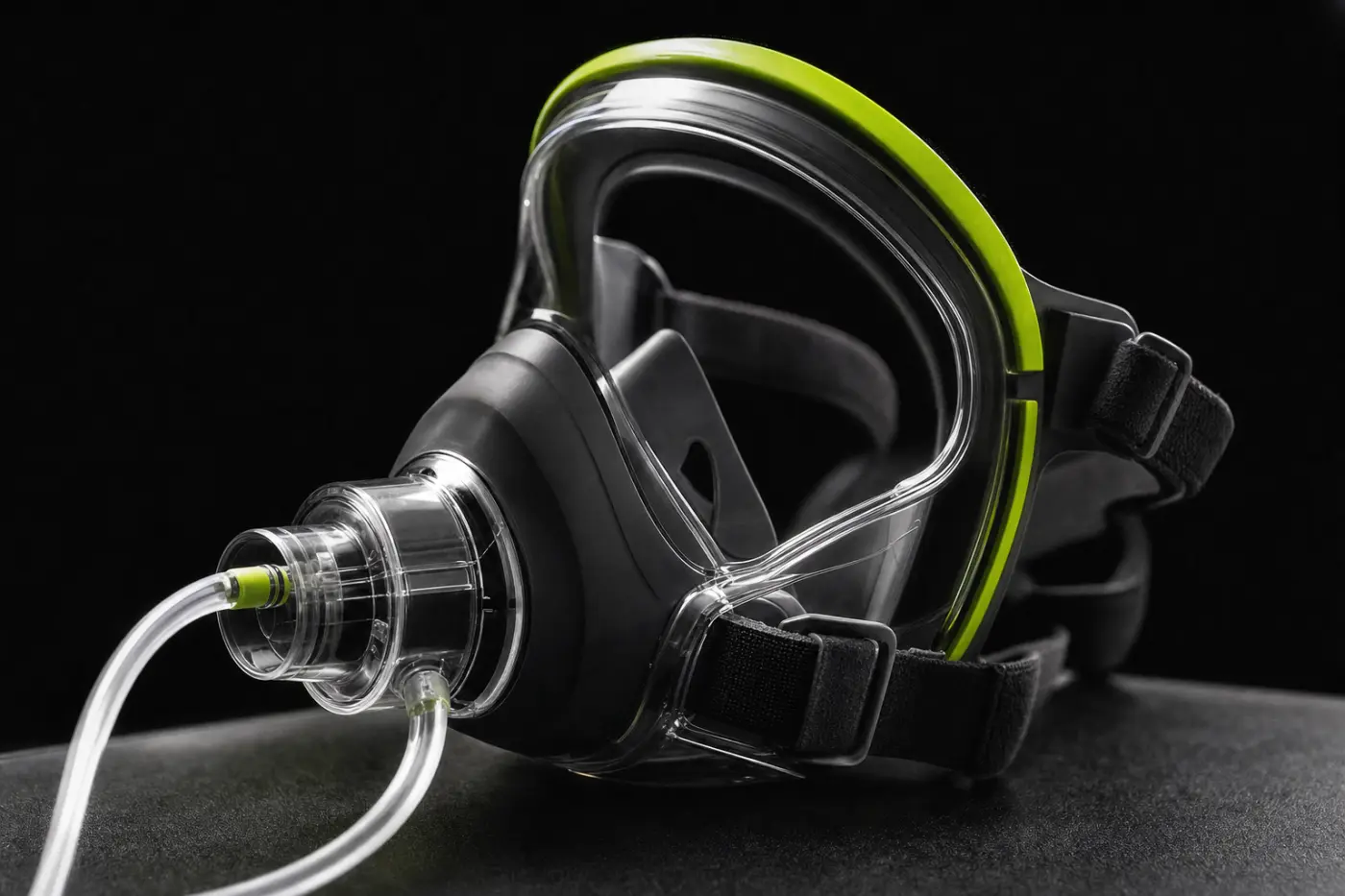
VO2 Max: What It Is and How to Actually Raise It
Your watch's estimate, what the number physiologically means, how much of it is trainable versus inherited, and the two session types that move it. Plus the honest answer on how much it matters once you are past beginner.

Wall Balls: The Station That Decides Your Last Ten Minutes
The final station, the one most likely to fall apart, and the one where a rehearsed set structure is worth minutes. Technique that saves your shoulders, how to break the reps, and what to do when the reps start getting no-repped.

What a Good HYROX Time Actually Is: Benchmarks by Age and Division
Finishing times, age group percentiles and elite comparisons, plus the more useful question nobody asks: which of your splits is furthest from where it should be, and what that tells you to train.

What Is a Hybrid Athlete, Actually?
The term has gone from niche to marketing slogan in about four years. A working definition, the standards that separate genuine hybrid capacity from being moderately good at two things, and why the label matters less than the trade-off underneath it.

What to Eat the Week of a HYROX Race (Hour by Hour)
From the Monday before to the moment you walk into the corral. Carb targets, the fibre mistake almost everyone makes, caffeine timing, and exactly what to do in the ninety minutes before your wave.

Where 10,000 Steps Came From (It Was a Marketing Campaign)
The most repeated health target in the world did not come from research. It came from a pedometer sold in Japan in the 1960s. What the number's actual origin was, what the research since has found, and what a better target looks like.

Why Am I Always Hungry When I Train Hard?
Appetite does not track energy expenditure neatly, and it lags training load by days. What drives post-training hunger, why endurance and strength work affect it differently, and how to structure meals so it stops running your day.

Why Kenyan Runners Jog So Slowly (And Why You Probably Don't)
Visitors to the training camps at Iten are routinely shocked by how slow the easy runs are — and then dropped on the hard days. What the polarised reality of that training culture looks like, and the one habit worth stealing.

Zátopek and the Invention of Interval Training
The most famous distance runner of his era trained in a way that looked, to his contemporaries, like self-harm. What his sessions actually consisted of, where the interval idea came from, and which parts of it modern coaching kept.

Cadence, Stride and Running Form: What's Worth Changing
Most form advice is cosmetic. Two variables genuinely change your injury risk and economy, and the rest is largely self-organising. What to cue, what to leave alone, and how long a real change takes to stick.

Carb Cycling for Hybrid Athletes: Match Your Food to Your Training Day
Eating the same thing every day when your training varies wildly is the most common nutrition mistake in hybrid training. A simple three-tier system that moves carbohydrate to the days that need it.

Compromised Running: The Skill That Decides Your HYROX Time
Your fresh 5K time predicts almost nothing about your race. What predicts it is how fast you move on the kilometre after a sled push. How to measure compromised pace, train it, and use it to set a realistic target.
Concurrent Training: How to Build Strength and Endurance at the Same Time
Lifting and running in the same week is not a compromise — it is a scheduling problem. What the research says about sequencing, volume and recovery, and how to turn it into a week you can actually run.

Creatine: What It Does, What It Doesn't, and Who Shouldn't Bother
The most studied supplement in sport, and still the most misunderstood. What the evidence supports, what it does to endurance athletes specifically, the loading question, and the people for whom it genuinely does nothing.
Deload Weeks: How to Know When You Need One (And What to Actually Do)
A deload is not a week off, and 'every fourth week' is not a plan. The specific signals that mean your body is asking for one, and three deload protocols matched to what is actually fatigued.

Fasted Cardio: Does It Burn More Fat?
It burns more fat during the session. That turns out to be the wrong thing to measure. What twenty-four-hour substrate data shows, and the two situations where training fasted is still genuinely worth doing.

Fitness Myths That Refuse to Die: 12 Things Your Gym Bro Still Believes
Toning, the anabolic window, spot reduction, muscle confusion, sweat as a measure of anything. Twelve claims that survive purely on repetition, with what the evidence shows and the grain of truth each one started from.

How Much Protein Do You Actually Need? The Number Nobody Agrees On
The official guideline, the bodybuilding number and the research consensus are three different figures. Here is where each comes from, which one applies to you, and why the answer changes when you start running.

How to Build a Home Gym for Hybrid Training (Three Budgets)
Three complete equipment lists — minimum viable, serious, and no-compromise — with the order to buy things in, the pieces that are almost never worth the money, and what you can genuinely train without.

How to Eat Out and Still Hit Your Macros
Nobody tracks their way through a wedding. But most restaurant meals are more predictable than they look. Cuisine-by-cuisine ordering rules, the three ingredients behind most hidden calories, and how to estimate when there is no menu at all.

How to Run a Sub-2 Hour Half Marathon (Realistic 12-Week Plan)
5:41 per kilometre for 21.1 kilometres. A complete twelve-week build with the three key sessions each week, the pace your easy runs should actually be, and how to know by week eight whether you are on track.

How to Structure a Hybrid Training Week: 4, 5 and 6-Day Templates
Three complete weekly templates for athletes who lift and run, with the reasoning behind every placement — why the hard run sits where it does, why leg day is never the day before it, and what to cut first when the week falls apart.

How to Train for a Marathon Without Losing Your Squat
Most lifters who take on a marathon arrive at the start line twenty kilos weaker. It is avoidable. A block-by-block guide to what to cut, what to protect, and why the answer is volume rather than intensity.

HRV, Explained Without the Hype: What Your Score Is Actually Telling You
Heart rate variability is a genuinely useful signal wrapped in a lot of marketing. What it measures, why absolute numbers are meaningless between people, and the only way to read yours that holds up.

HYROX Doubles vs. Singles vs. Relay: Which Should You Sign Up For?
The three formats demand genuinely different things — different pacing, different weaknesses exposed, different training. An honest comparison so your first entry is the right one.

HYROX Pacing Strategy: How to Split 8 Runs and 8 Stations for Your Target Time
A complete pacing framework with target splits for sub-90, sub-75 and sub-65 finishes, the two stations where going out hard costs you the most, and how to recover the race when the first sled goes wrong.

Ice Baths and Sauna: What the Evidence Says for Strength and Endurance
Cold plunging after lifting appears to blunt the exact adaptation you trained for. Heat exposure appears to do the opposite for endurance. A timing-based guide to using both without cancelling your own work.

The Interference Effect, Explained: How Much Cardio Actually Kills Your Gains
The gym-floor claim is that cardio eats muscle. The research says something far more specific. A plain-English breakdown of the mechanism, and the volume, modality and timing thresholds where running genuinely starts to cost you strength.

Overtraining vs. Under-Recovering: How to Tell the Difference
True overtraining syndrome is rare and takes months to fix. What most athletes have is a recovery deficit that resolves in ten days. The markers that separate them, and why misdiagnosing it costs you a season.

Polarized vs. Threshold Training: Which Actually Fits a Hybrid Athlete?
Elite endurance athletes train 80% easy. Hybrid athletes have half the hours and a barbell to account for. A comparison of the two dominant intensity models and an honest verdict on which survives contact with a real schedule.

Running in Indian Heat: A Survival Guide for 35°C Training
Heat costs you roughly twenty seconds per kilometre before you have done anything wrong. How to adjust pace targets honestly, acclimatise deliberately over ten days, and recognise heat illness before it becomes an emergency.

Shin Splints, Runner's Knee and Plantar Fasciitis: Prevention That Works
Three injuries that account for most of the running people miss, all largely caused by load rising faster than tissue can adapt. The early warning signs, the loading protocols that resolve them, and when to stop running entirely.

Should You Lift Before or After Running? What the Research Actually Says
If both have to happen in one session, the order changes the outcome. A clear decision rule based on which quality you are actually trying to improve, plus the one combination you should never program.

Sleep Is the Only Legal Performance Enhancer: A Practical Protocol
The performance cost of six hours instead of eight is larger than almost any supplement's benefit. What sleep restriction does to strength, endurance and injury risk, and a protocol built for people who cannot simply go to bed earlier.

Sore Every Day? A Field Guide to DOMS
Soreness is not a measure of a good session and its absence is not a sign of a wasted one. What actually causes DOMS, what genuinely shortens it, and the difference between soreness and the pain you should stop for.

The Calorie Deficit That Doesn't Kill Your Training
Aggressive cuts and hard training blocks are incompatible, and most people pick the wrong one to sacrifice. How to size a deficit against your actual training load, and the four markers that tell you it has gone too far.

The Indian Athlete's Macro Guide: Dal, Roti, Rice and Real Numbers
Most macro guidance assumes chicken breast and oats. This one is built on the food actually on your table — with per-serving numbers for the staples and three worked days at different calorie targets.

The Only 6 Lifts a Runner Needs
Runners do not need a bodybuilding split. They need six movements, twice a week, loaded heavily enough to matter. What each one does for your stride, and the loading scheme that builds strength without adding fatigue.

The Two-Week Rule: Why Most People Quit in Week 3
Week one is novelty. Week two is discipline. Week three is when the results have not arrived, the soreness has, and the decision actually gets made. What is happening physiologically, and the change that gets people through it.

Training Around a Full-Time Job: How Athletes Actually Do It
Nobody with a job trains like a professional, and the plans written by professionals assume you do. The scheduling patterns that survive real work weeks, ranked by how well they hold up when the week goes wrong.

Treadmill vs. Outdoor Running: What Actually Transfers
Treadmill running is not cheating, but it is not identical either. The measurable differences in mechanics, effort and pace, the incline setting that closes most of the gap, and when the treadmill is genuinely the better choice.

What 100g of Protein Actually Looks Like (Veg and Non-Veg)
Numbers on a screen are abstract. Volume on a plate is not. Two full days of eating counted out, so you know what a hundred grams feels like before you try to eat two hundred.

What the Data Says About Who Actually Sticks With Training
Motivation is not the variable. Across the adherence research, the traits that separate people still training in month six from those who stopped in week three are unglamorous, specific, and almost entirely about friction.

WHOOP vs. Oura vs. Garmin vs. Apple Watch: Which Should a Hybrid Athlete Wear?
Four devices measuring overlapping things with very different philosophies. What each is genuinely best at, where each is weakest, and a straight recommendation depending on whether you care more about the run or the recovery.

Why Your 5K Time Is Stuck (And the 4 Fixes That Work)
Almost every plateaued 5K is one of four problems, and three of them are caused by running your easy days too hard. How to diagnose which one is yours in a single week of data.
Your First HYROX: A 12-Week Plan for People Who've Never Raced
Week by week, session by session, from 'I signed up and I am slightly scared' to crossing the line. Written for someone with a base level of fitness and no HYROX experience at all.

Your Watch Says Recovery Is Low. Should You Train?
The honest answer is almost always yes, but differently. A decision tree for turning a bad recovery score into a modified session rather than a skipped day — and the three situations where you genuinely should rest.

Zone 2 Training for Lifters: The Minimum Effective Dose
You do not need six hours a week of easy cardio to get the aerobic benefits lifters actually want. What Zone 2 does, how to find yours without a lab, and the smallest weekly dose that still moves the needle.

Procam Slam 2026-27: The Ultimate Guide (Races, Dates, Cut-offs, Eligibility + How to Finish)
One-stop Procam Slam guide: what it is, the 4 Procam races you must complete, the 2026–27 timeline (Bengaluru–Delhi–Kolkata–Mumbai), cut-off timings, eligibility rules, registration checklist, rewards, leaderboards, and a simple training game-plan.

TCS World 10K Bengaluru 2026: India’s Biggest 10K Race Guide (Registration, Route, Cut-offs + Procam Slam)
Everything you need to know about India’s premier 10K: registration dates, fees, categories, route highlights, cut-off timings, Procam Slam criteria, elite field, prize money, and race-day tips.

10 Australian Races You Must Experience Before You Die
From the iconic Sydney Harbour Bridge to the red dust of the outback, here are the top 10 racing events in Australia that every runner needs on their bucket list.

10 Austrian Races You Must Experience Before You Die
From the imperial waltz of Vienna to the crystal clear lakes of Salzburg, here are the top 10 racing events in Austria that every runner needs on their bucket list.

10 Brazilian Races You Must Experience Before You Die
From the carnival atmosphere of Rio to the grueling switchbacks of Serra do Rio do Rastro, here are the top 10 racing events in Brazil that every runner needs on their bucket list.

10 Colombian Races You Must Experience Before You Die
From the high-altitude challenge of Bogotá to the coastal heat of Cartagena, here are the top 10 racing events in Colombia that every runner needs on their bucket list.

10 Danish Races You Must Experience Before You Die
From the world-record streets of Copenhagen to the sandy beaches of the North Sea, here are the top 10 racing events in Denmark that every runner needs on their bucket list.

10 French Races You Must Experience Before You Die
From the grand boulevards of Paris to the wine-soaked aid stations of Médoc, here are the top 10 racing events in France that every runner needs on their bucket list.

10 German Races You Must Experience Before You Die
From the world-record pavement of Berlin to the beer-fueled finish lines of Cologne, here are the top 10 racing events in Germany that every runner needs on their bucket list.

10 Indian Races You Must Experience Before You Die
From the electric streets of Mumbai to the high-altitude silence of Ladakh, here are the top 10 racing events in India that every runner needs on their bucket list.

10 Italian Races You Must Experience Before You Die
From the cobblestones of Rome to the peaks of the Dolomites, here are the top 10 racing events in Italy that every runner needs on their bucket list.

10 Japanese Races You Must Experience Before You Die
From the immaculate streets of Tokyo to the spiritual slopes of Mt. Fuji, here are the top 10 racing events in Japan that every runner needs on their bucket list.

10 Malaysian Races You Must Experience Before You Die
From the midnight start of the Penang Bridge to the ultra-humid jungles of Borneo, here are the top 10 racing events in Malaysia that every runner needs on their bucket list.

10 Mexican Races You Must Experience Before You Die
From the high-altitude test of Mexico City to the legendary canyons of the Tarahumara, here are the top 10 racing events in Mexico that every runner needs on their bucket list.

10 Moroccan Races You Must Experience Before You Die
From the legendary sands of the Sahara to the blue streets of Chefchaouen, here are the top 10 racing events in Morocco that every runner needs on their bucket list.
10 Moroccan Races You Must Experience Before You Die
From the legendary sands of the Sahara to the blue streets of Chefchaouen, here are the top 10 racing events in Morocco that every runner needs on their bucket list.

10 New Zealand Races You Must Experience Before You Die
From the geothermal steam of Rotorua to the alpine grandeur of Queenstown, here are the top 10 racing events in New Zealand that every runner needs on their bucket list.

10 Russian Races You Must Experience Before You Die
From the frozen ice of Lake Baikal to the historic streets of St. Petersburg, here are the top 10 racing events in Russia that every runner needs on their bucket list.

10 South African Races You Must Experience Before You Die
From the ultimate human test of the Comrades Marathon to the forests of Knysna, here are the top 10 racing events in South Africa that every runner needs on their bucket list.

10 Spanish Races You Must Experience Before You Die
From the blazing speed of Valencia to the muddy peaks of Zegama, here are the top 10 racing events in Spain that every runner needs on their bucket list.

10 Sri Lankan Races You Must Experience Before You Die
From the tropical heat of Colombo to the mist-covered tea plantations of the central highlands, here are the top 10 racing events in Sri Lanka.

10 Swiss Races You Must Experience Before You Die
From the immaculate streets of Zurich to the brutal beauty of the Eiger, here are the top 10 racing events in Switzerland that every runner needs on their bucket list.

10 UK Races You Must Experience Before You Die
From the roaring crowds of London to the monster-hunting shores of Loch Ness, here are the top 10 racing events in the UK that every runner needs on their bucket list.
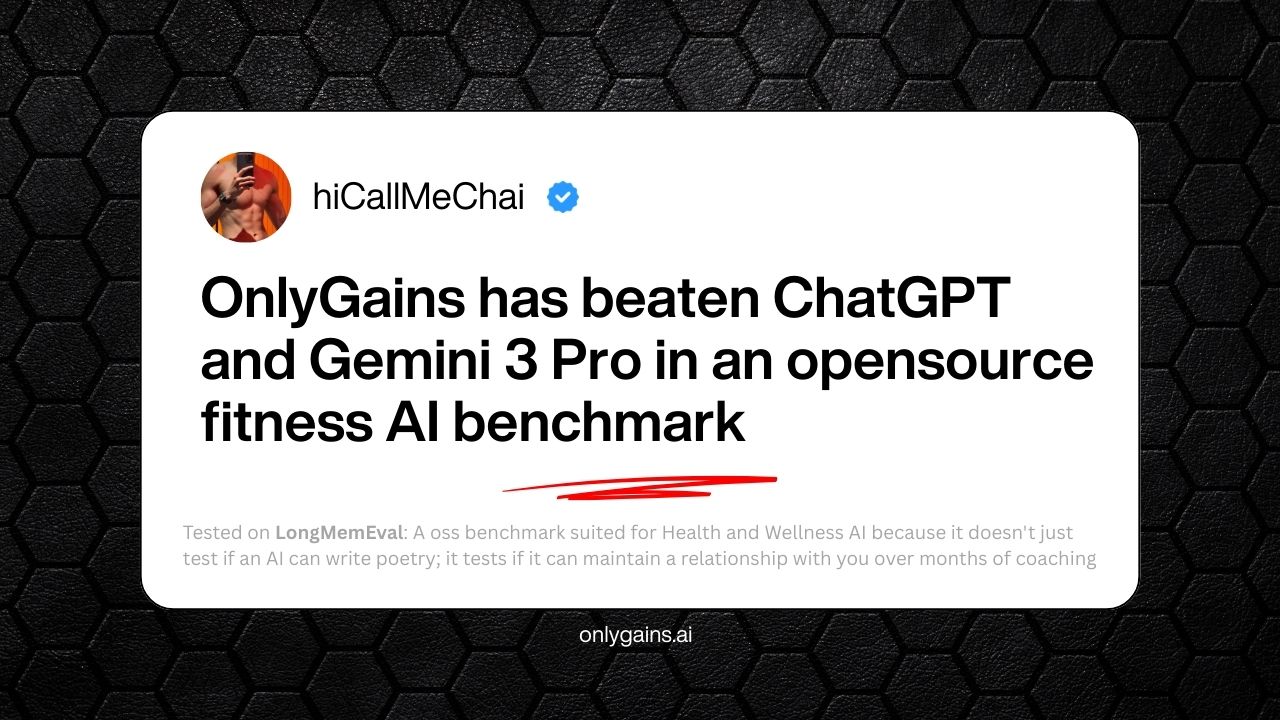
Why Your AI Coach Needs a "Brain," Not Just a Processor
Most AI benchmarks test IQ, but coaching requires Memory. Discover why LongMemEval is the new standard and how OnlyGains AI outperforms generic models like GPT-5 and Gemini 3
CalAI Alternative: Why OnlyGains.ai is a Better Choice in 2026
Looking for a CalAI alternative? Compare CalAI vs OnlyGains.ai on features, pricing, workout planning, and nutrition tracking. Discover why hybrid and endurance athletes are switching to OnlyGains.

HealthifyMe Alternative: Why OnlyGains.ai is a Better Choice in 2026
Comparing HealthifyMe vs OnlyGains.ai for fitness and nutrition tracking. See why athletes are choosing OnlyGains for AI-powered workout planning, hybrid training, and smarter nutrition.
Hevy Alternative: Why OnlyGains.ai is a Better Choice in 2026
Looking for a Hevy alternative? Compare Hevy vs OnlyGains.ai for workout tracking, AI programming, nutrition planning, and hybrid athlete training. See why athletes are making the switch.
HYBRD Alternative: Why OnlyGains.ai is a Better Choice in 2026
Comparing HYBRD vs OnlyGains.ai for hybrid athlete training. See how OnlyGains delivers better AI coaching, nutrition integration, and programming for HYROX and functional fitness.
MyFitnessPal Alternative: Why OnlyGains.ai is a Better Choice in 2026
Looking for a MyFitnessPal alternative? Compare MFP vs OnlyGains.ai on nutrition tracking, AI meal planning, workout programming, and coaching. See why athletes are making the switch.

10 North American Races You Must Experience Before You Die
From the roar of New York to the silent majesty of Big Sur, here are the top 10 racing events in the USA and Canada that every runner needs on their bucket list.
10 North American Races You Must Experience Before You Die
From the roar of New York to the silent majesty of Big Sur, here are the top 10 racing events in the USA and Canada that every runner needs on their bucket list.
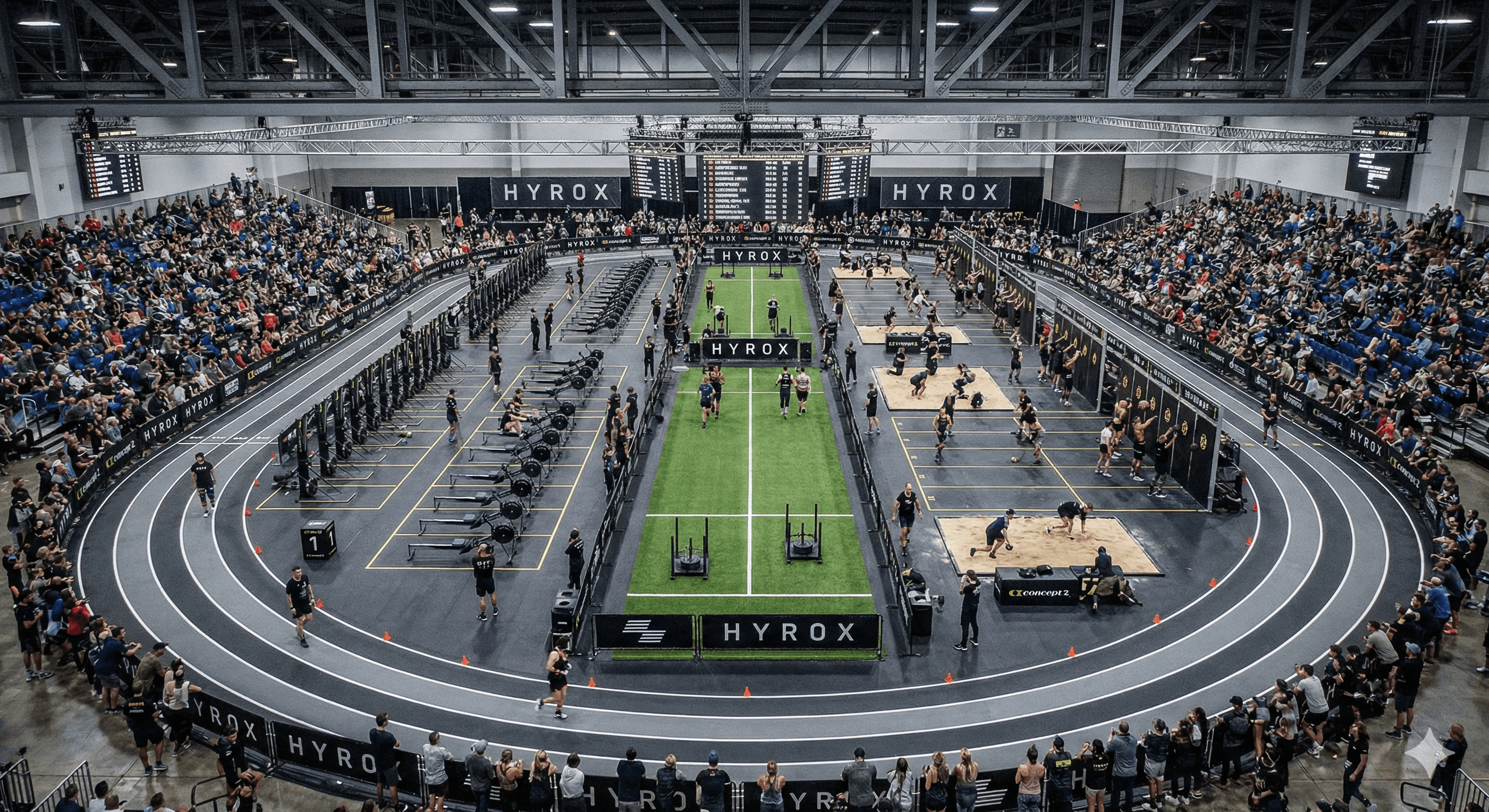
What is HYROX? The Complete Guide to the World's Toughest Fitness Race
Everything you need to know about HYROX: the race format, all 8 stations explained, past winners, world records, divisions, and how to start training for your first event.

HYROX Burpee Broad Jumps: How to Survive 80 Meters and Save Your Legs
Master the HYROX burpee broad jump with efficient technique, learn muscles worked, avoid common energy-wasting mistakes, and train for the most brutal station.

HYROX Farmers Carry Technique: How to Grip, Walk & Dominate 200 Meters
Master the HYROX farmers carry with proper grip technique, learn muscles worked, avoid common drop points, and build the endurance to walk 200m without stopping.

HYROX Rowing Strategy: How to Pace 1000m and Recover for the Second Half
Master the HYROX rowing station with smart pacing strategy, proper technique, and training tips. Learn how to use the 1000m row as active recovery without losing time.

HYROX Running: The 8km That Separates Champions from Everyone Else
Master HYROX running strategy with pacing guides, transition tips, and training workouts. Learn how elite athletes approach the 8 x 1km runs that make or break race times.

HYROX Sandbag Lunges: How to Build Leg Endurance and Conquer 100 Meters
Master the HYROX sandbag lunge with proper technique, learn muscles worked, avoid knee pain, and build the leg endurance to complete 100m without stopping.

HYROX SkiErg Technique Guide: How to Master 1000m and Crush Your Time
Learn proper SkiErg technique for HYROX, discover the muscles worked, common mistakes to avoid, and training tips to dominate the first station every time.

HYROX Sled Pull Complete Guide: Technique, Grip Strength & Training Tips
Master the HYROX sled pull with proper hand-over-hand technique, learn which muscles are worked, overcome common grip failures, and build pulling power.

HYROX Sled Push Training Guide: Technique, Muscles & How to Get Faster
Master the HYROX sled push with proper technique, learn which muscles are targeted, fix common mistakes, and discover training alternatives to improve your 50m time.

HYROX Wall Balls: The Ultimate Guide to Finishing Strong with 100 Reps
Master the HYROX wall ball station with proper technique, pacing strategy, and training tips to finish 100 reps strong when your legs are already destroyed.

Why 'I Hate Fitness Apps' is a Trending Sentiment (And What to Use Instead)
Discover why traditional fitness apps are dying and how the Best AI personal trainer 2025 lives in your chat history. Learn to track calories via WhatsApp using voice notes and photos.
Chat-Based Fitness Coach vs. Traditional Apps: Which is Right for You?
Discover why traditional fitness apps are dying and how the Best AI personal trainer 2025 lives in your chat history. Learn to track calories via WhatsApp using voice notes and photos.

Voice Note Calorie Counter: The Easiest Way to Log Food Without Typing
Stop fighting with complex apps. Discover how the rise of the WhatsApp Personal Trainer AI allows you to log food with voice notes, track macros instantly, and overcome fitness fatigue.
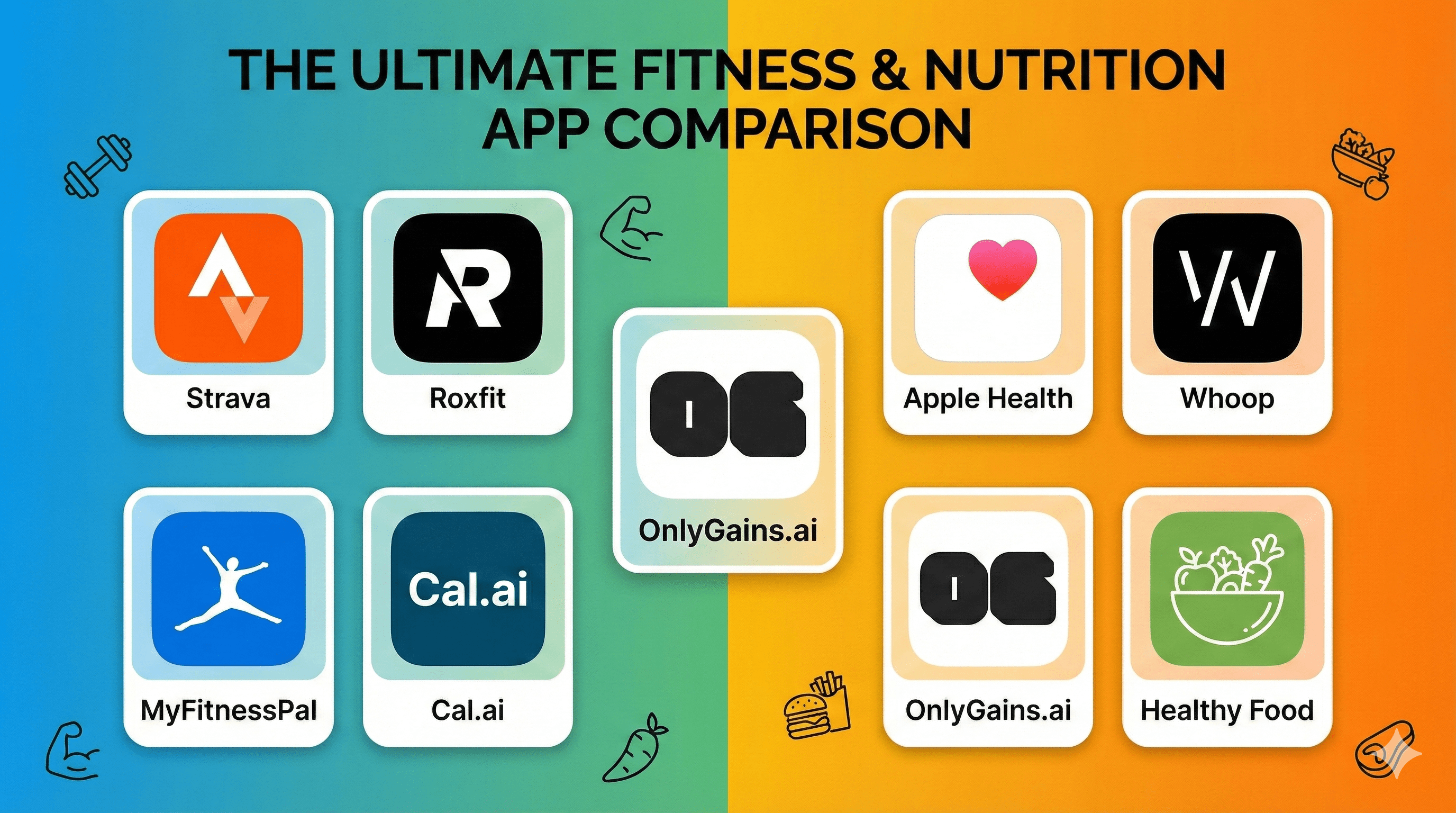
What's the best fitness app for hybrid athletes? Let's settle this once and for all!
We tested the top fitness apps against the unique demands of Hyrox and Hybrid training. Discover which AI coach handles the balance of strength, endurance, and nutrition best.
Forget Apps: How to Track Calories via WhatsApp in 3 Seconds Flat
Discover why traditional fitness apps are dying and how the Best AI personal trainer 2025 lives in your chat history. Learn to track calories via WhatsApp using voice notes and photos.

The Death of Fitness Apps: How a WhatsApp AI is the Best Personal Trainer of 2025
Discover why traditional apps like MyFitnessPal and Hevy are failing and how the 'WhatsApp personal trainer AI' is revolutionizing fitness with no-app tracking, voice-note calorie counting, and personalized plans. The future of personalized coaching is here.

The Future is Chat: Why the Best AI Personal Trainer in 2025 Lives in Your WhatsApp
Discover how AI personal trainers on WhatsApp are revolutionizing fitness with instant workout plans, real-time adjustments, and 24/7 accountability.
The Future is Chat: Why the Best AI Personal Trainer in 2025 Lives in Your WhatsApp
Discover how AI personal trainers on WhatsApp are revolutionizing fitness with instant workout plans, real-time adjustments, and 24/7 accountability.